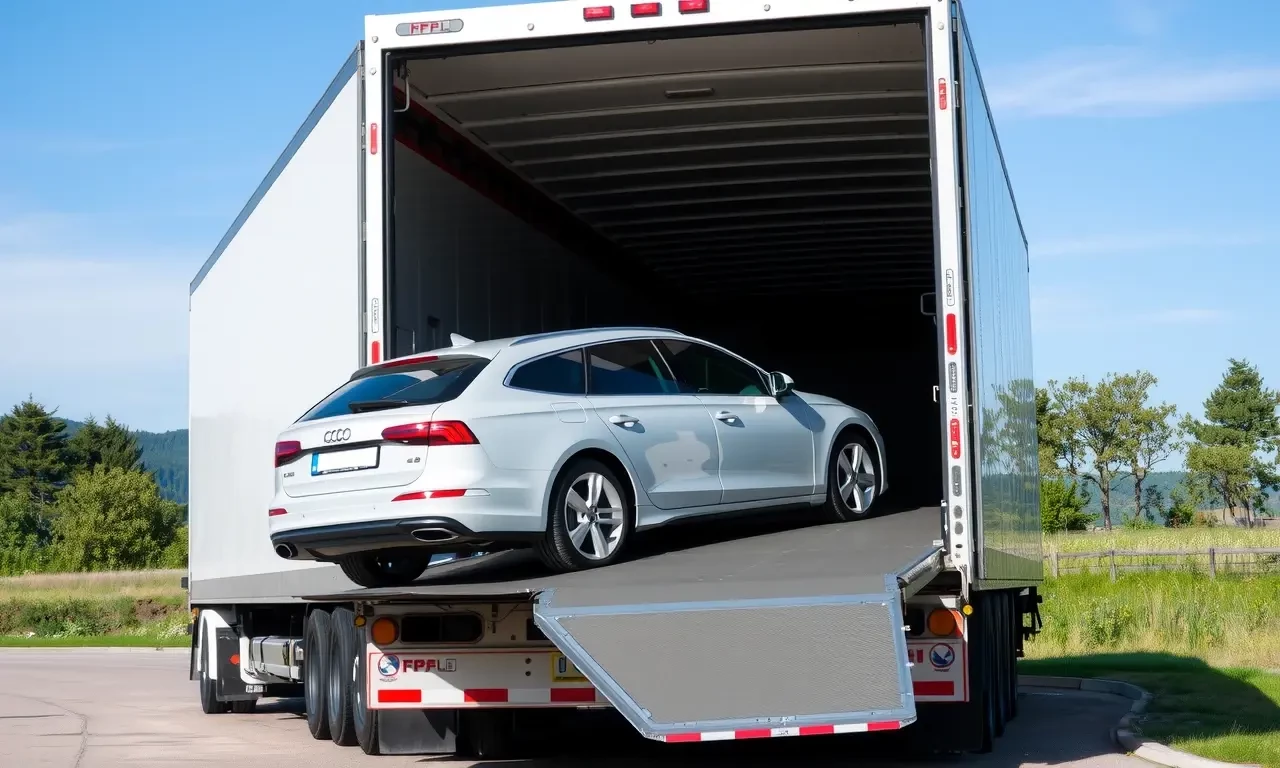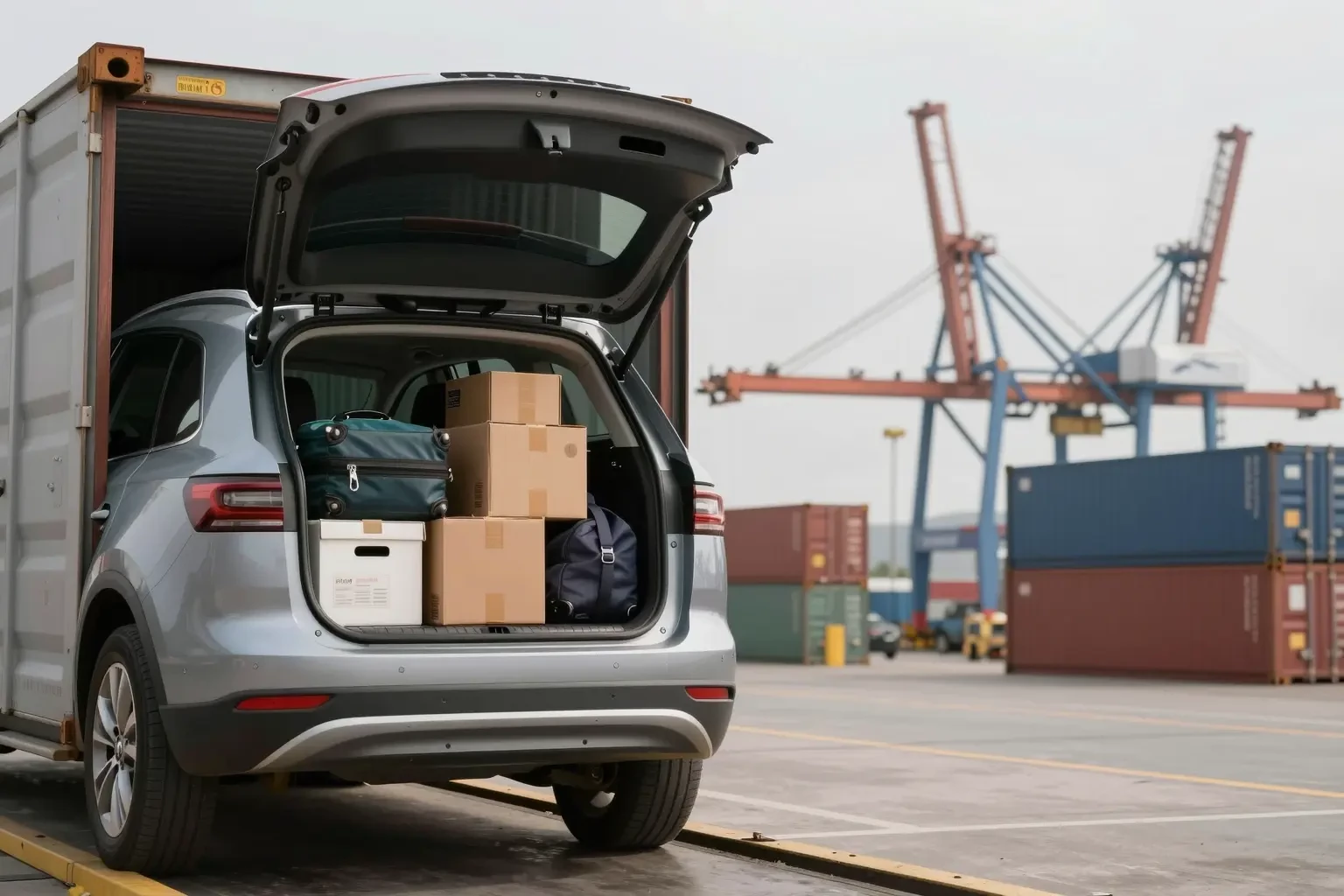




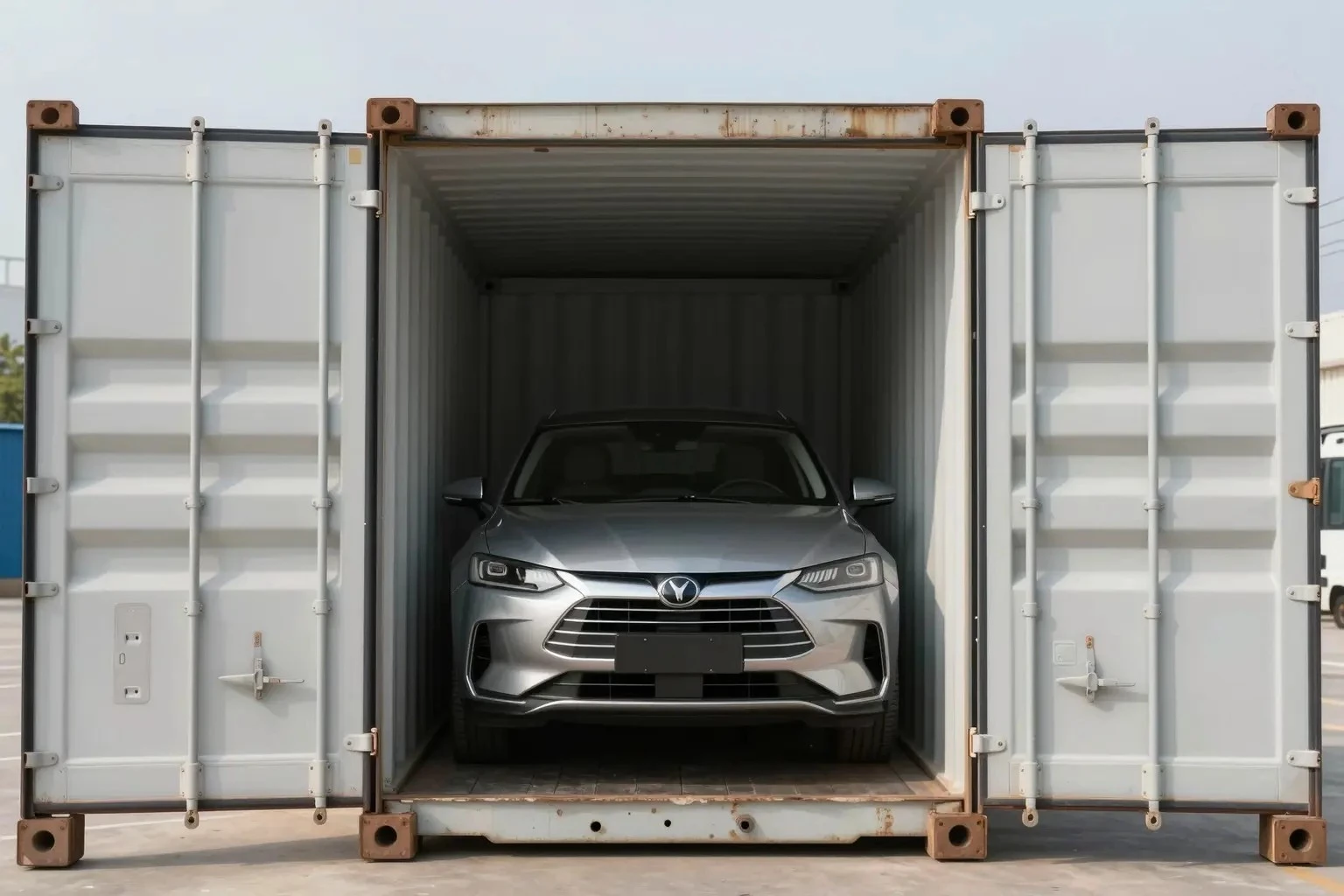
Shipping a car internationally or even domestically can often be a daunting task due to the complexities involved. One popular method is using shipping containers‚ which offer secure transportation and protection for your vehicle. However‚ a common question arises: Will a car fit in a shipping container? This article explores the intricacies involved with car shipping‚ focusing on containerized shipping.
Understanding Shipping Container Dimensions
Before considering containerized shipping for a vehicle‚ it’s crucial to understand the shipping container dimensions; Standard container sizes are typically 20 feet and 40 feet in length‚ with a width of approximately 8 feet and a height of about 8.5 feet. However‚ high-cube containers offer an additional foot of height‚ providing more cargo space for taller vehicles.
- 20-foot container: 20′ x 8′ x 8.5′ (L x W x H)
- 40-foot container: 40′ x 8′ x 8.5′ (L x W x H)
- 40-foot high-cube container: 40′ x 8′ x 9.5′ (L x W x H)
Car Dimensions and Vehicle Clearance
The next step is to compare the car dimensions against the container’s internal dimensions to ensure a proper fit. Most standard sedans‚ compact cars‚ and even some SUVs can fit within a 20-foot container. However‚ for larger vehicles‚ such as trucks or oversized SUVs‚ a 40-foot container may be necessary. It’s crucial to account for vehicle clearance during loading and unloading processes.
Containerized Shipping vs. Roll-on/Roll-off
Containerized shipping provides more protection and security compared to the roll-on/roll-off (RoRo) method‚ where vehicles are driven directly onto the shipping vessel. While RoRo can be more economical‚ containerized shipping ensures that your car is shielded from the elements and potential damage during transit.
The Process of Container Loading
Container loading is a meticulous process that involves carefully positioning the car within the container to maximize space and ensure safety. Proper securing techniques‚ such as using tie-downs and wheel chocks‚ are essential to prevent movement during transportation. This step is crucial for maintaining secure transportation of the vehicle.
Freight Forwarding and Automobile Logistics
Engaging a reputable freight forwarding company can significantly simplify the car shipping process. These companies specialize in automobile logistics‚ handling the intricacies of international car shipping‚ including compliance with transport regulations and documentation requirements.
International Car Shipping Considerations
International car shipping involves additional considerations‚ such as understanding import/export restrictions‚ taxes‚ and duties. It’s vital to research the destination country’s regulations to ensure smooth transit and avoid potential penalties.