





Shipping a car can be a complex process with many factors influencing the overall cost. Understanding these factors can help you make informed decisions when it comes to auto transport. In this article, we will explore the key elements that determine shipping cost, including vehicle shipment options, freight charges, and more.
Factors Affecting Shipping Cost
Several variables influence the cost of car transportation, including:
- Vehicle Size: Larger vehicles such as SUVs or trucks typically incur higher shipping rates due to their size and weight.
- Distance: The distance between the pickup location and delivery destination significantly impacts the cost. Longer distances generally result in higher freight charges.
- Transport Company: Different companies offer varying rates based on their services and reputation. It’s essential to compare quotes from multiple transport companies.
- Shipping Rates: These can fluctuate based on market conditions, fuel surcharges, and seasonal demand. It’s advisable to book ahead to lock in favorable rates.
Types of Auto Transport
When considering vehicle shipment, you have two primary options: enclosed carrier and open carrier.
Enclosed Carrier
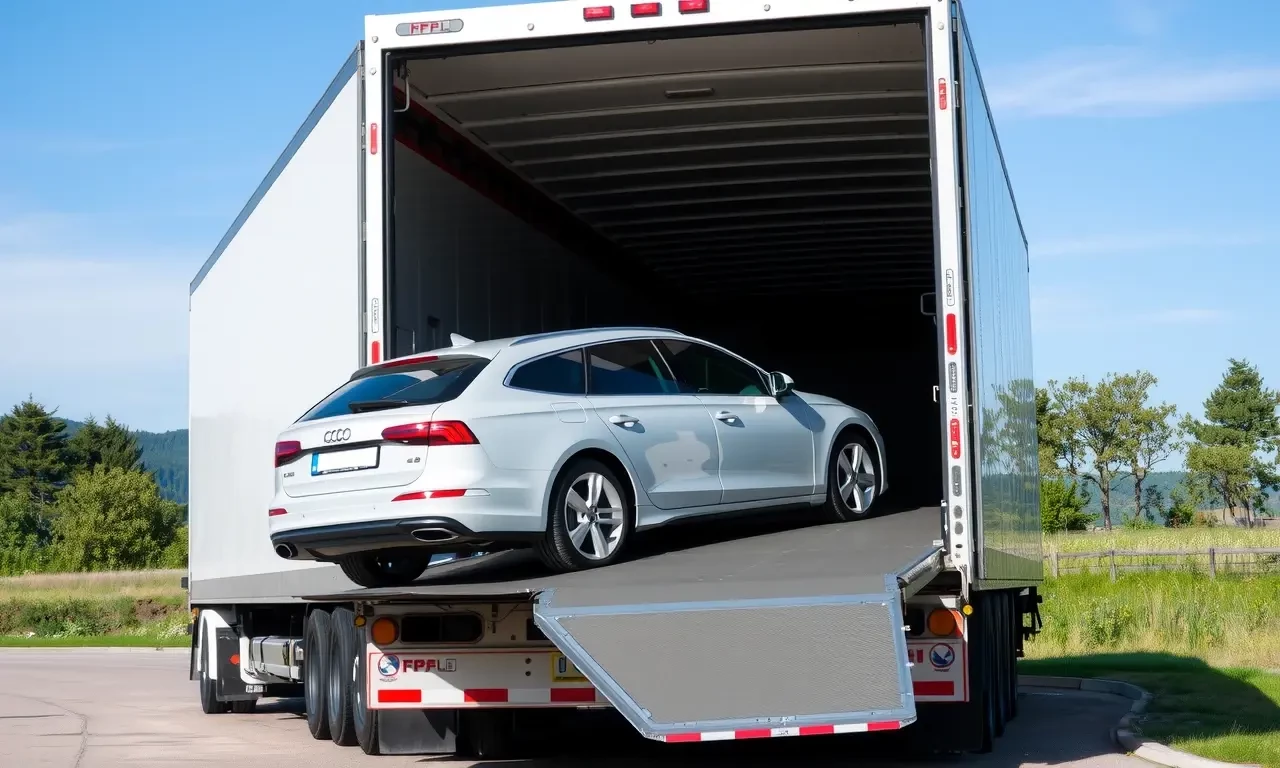
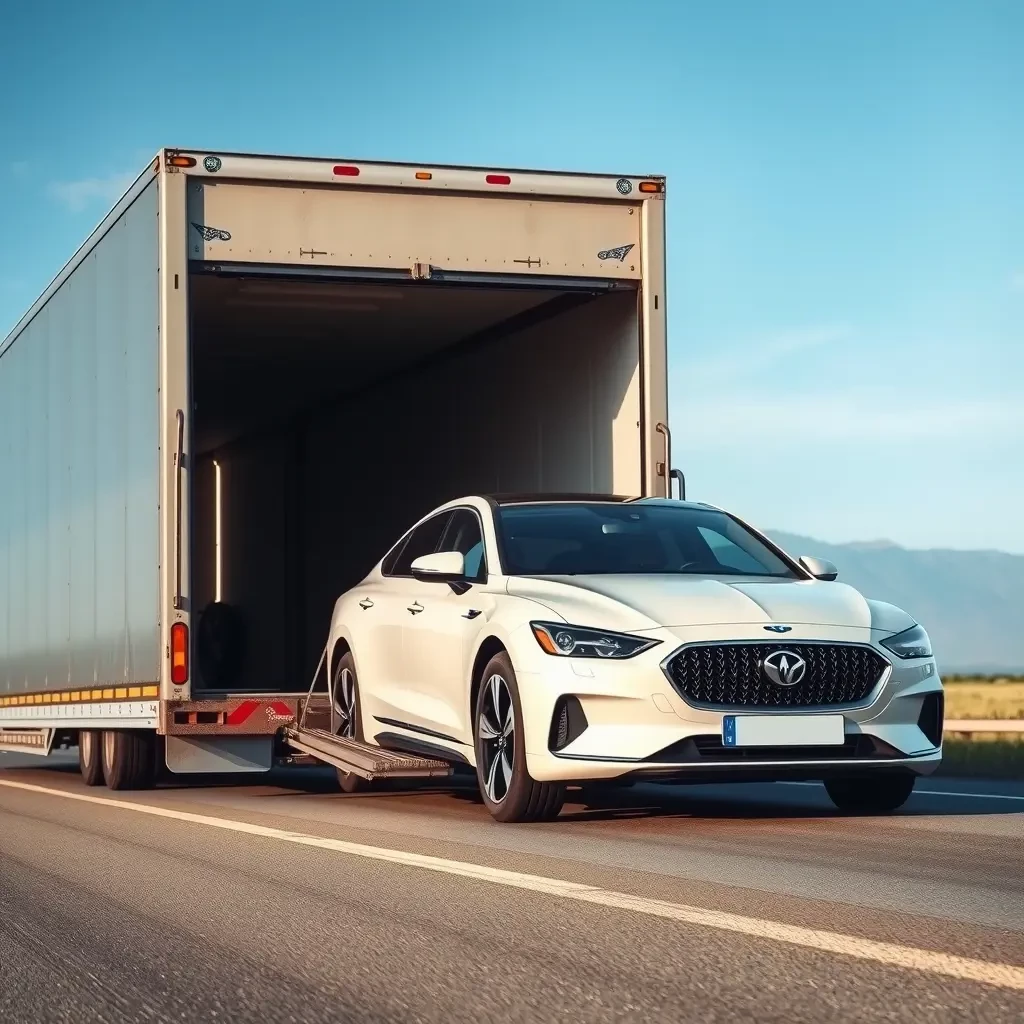
An enclosed carrier offers better protection for your vehicle as it is shielded from weather elements and road debris. This option is ideal for high-value or classic cars but comes at a higher cost compared to open carrier transport.
Open Carrier
The most common and cost-effective method for car transportation, open carriers are trucks that transport vehicles on two open decks. While more economical, vehicles are exposed to the elements.
Additional Costs to Consider
Beyond the basic shipping rates, several additional costs may arise:
- Fuel Surcharges: Fluctuations in fuel prices can affect the transport cost, as companies adjust their rates accordingly.
- Insurance Coverage: Most transport companies offer insurance, but it’s crucial to understand what is covered and consider additional coverage if necessary.
- Transit Time: Expedited delivery services are available at a premium for those needing quicker vehicle shipment;
Booking Process
The booking process for car transportation typically involves the following steps:
- Research Transport Companies: Investigate various companies, read reviews, and compare quotes to find the best service for your needs.
- Request Quotes: Provide details about your vehicle, pickup location, delivery destination, and preferred transport method to receive accurate quotes.
- Choose a Carrier: Once you’ve compared quotes, select a transport company that offers the best combination of price and service quality.
- Schedule Pickup: Coordinate with the company to arrange a convenient pickup time and ensure your vehicle is ready for shipment.
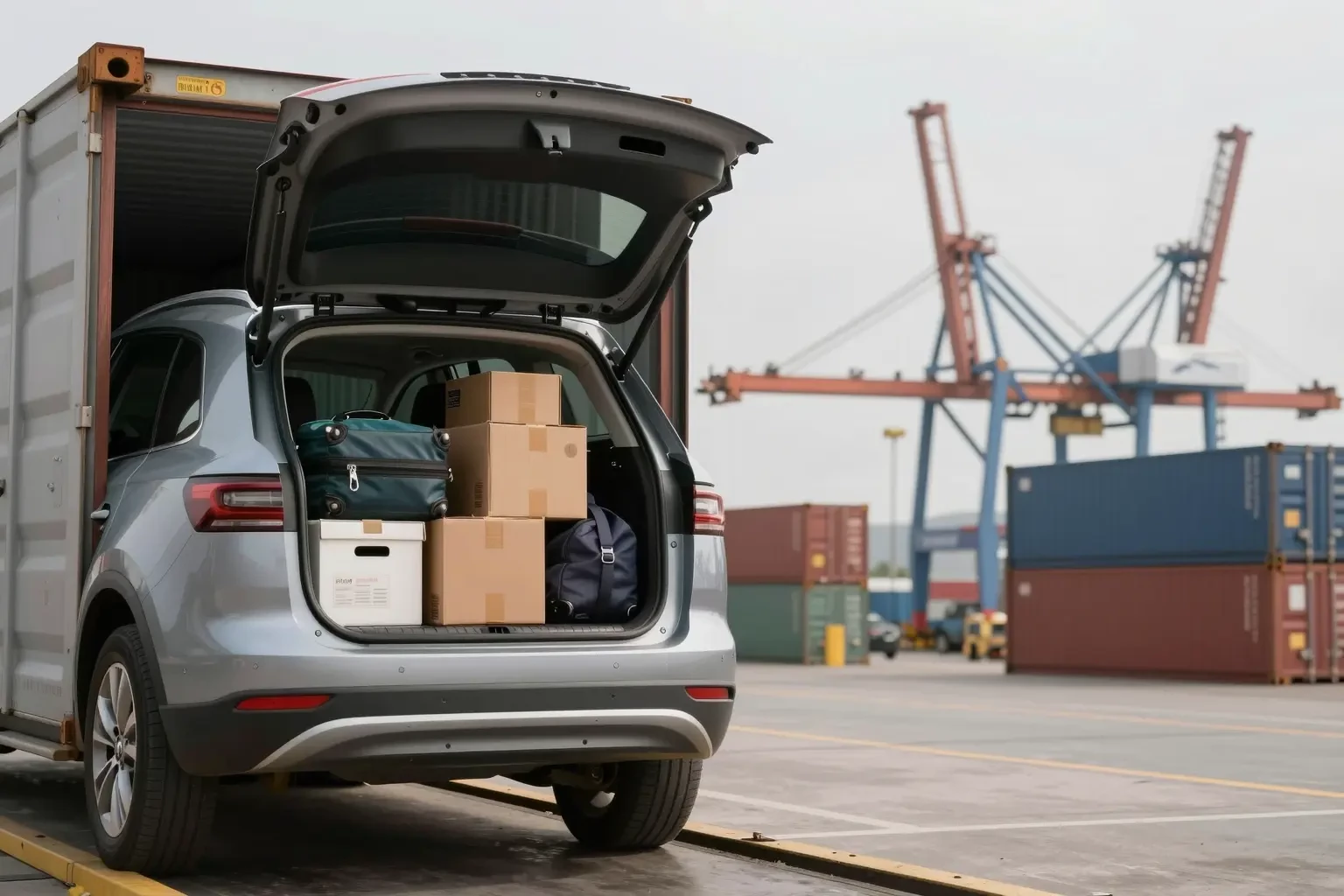
- Prepare Your Vehicle: Remove personal belongings, ensure the car is in good mechanical condition, and document its current state for insurance purposes.
Seasonal Demand and Its Impact
Seasonal demand can greatly influence shipping rates. During peak seasons, such as summer, when many people relocate, demand is higher, and so are the prices. Booking in advance can help secure better rates.
International Shipping
If you’re considering international shipping, additional factors come into play. These include customs duties, import regulations, and the choice between sea or air freight. International vehicle shipment requires careful planning and consultation with an experienced transport company specializing in global logistics.
Understanding the various aspects of car transportation can help you estimate the shipping cost effectively. By considering factors such as vehicle size, distance, and transport method, along with additional charges like fuel surcharges and insurance coverage, you can make an informed decision. Whether you’re opting for an enclosed carrier for extra protection or an open carrier for cost savings, the right transport company will ensure a smooth and safe delivery service for your vehicle.