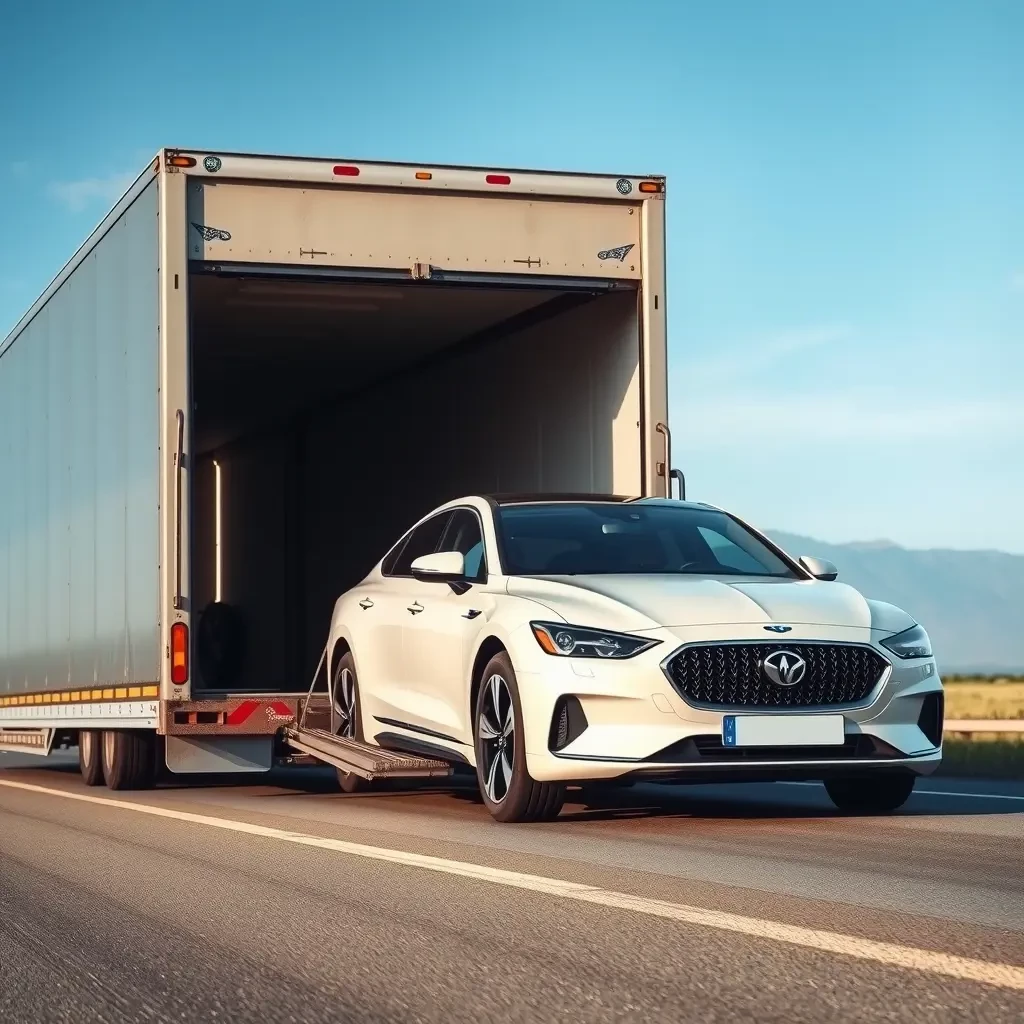






Transporting a vehicle from one location to another can be a daunting task. Whether you are moving across the country, selling your car to an out-of-state buyer, or simply shipping a vehicle for convenience, understanding the intricacies of car shipping insurance is crucial. This article delves into the necessity of insurance when shipping a car, exploring the various aspects of vehicle transport, including auto transport coverage, car carrier insurance, and shipping protection.
Understanding Car Shipping Insurance
Car shipping insurance, also known as automobile transit insurance, is a policy designed to protect your vehicle during the transportation process. When you hire a car transport company, they typically offer some level of insurance coverage as part of their service. However, it is important to understand what is covered and what additional options might be available to ensure your vehicle is adequately protected.
Types of Auto Transport Coverage
There are several types of auto transport coverage options that you might encounter:
- Carrier Liability Insurance: This is the basic insurance that car carriers provide. It covers damages that occur due to the carrier’s negligence, such as accidents caused by driver error.
- Comprehensive Coverage: This type of insurance covers a wider range of incidents, including weather-related damages, theft, and vandalism.
- Gap Insurance: Sometimes, the carrier’s liability insurance may not fully cover the value of your vehicle. Gap insurance can help bridge this difference.
Why You Need Vehicle Transport Insurance
The necessity of vehicle transport insurance stems from the potential risks involved in shipping cars. While reputable car transport companies take extensive measures to ensure car transport safety, unexpected incidents can still occur. These might include:
- Accidents during transit
- Theft or vandalism
- Weather-related damages (e.g., hail, floods)
- Damage during loading or unloading
Having a robust transport insurance policy in place provides peace of mind, ensuring that you are not financially liable for any unforeseen damages.
Car Carrier Insurance: What to Look For
When selecting a vehicle transport company, it’s vital to review their car carrier insurance policy closely. Here are some factors to consider:
- Coverage Limits: Ensure the policy covers the full value of your vehicle.
- Deductibles: Understand any deductibles you may be responsible for in the event of a claim.
- Exclusions: Be aware of what is not covered by the policy, such as personal items left in the car.
Additional Shipping Protection Options
Beyond the standard car carrier insurance, there are additional options for shipping protection:
- Third-Party Insurance: You can purchase additional coverage from a third-party provider to supplement the carrier’s insurance.
- Homeowners Insurance: Sometimes, your existing homeowners insurance may provide coverage for your vehicle during transit. Check with your insurance provider to explore this option.
Vehicle Shipping Requirements
Before shipping your vehicle, it’s important to adhere to certain vehicle shipping requirements to ensure a smooth process:
- Documentation: Have all necessary documents ready, including the title and registration of the vehicle.
- Inspection: Conduct a thorough inspection of your vehicle before shipping, documenting any existing damages with photographs.
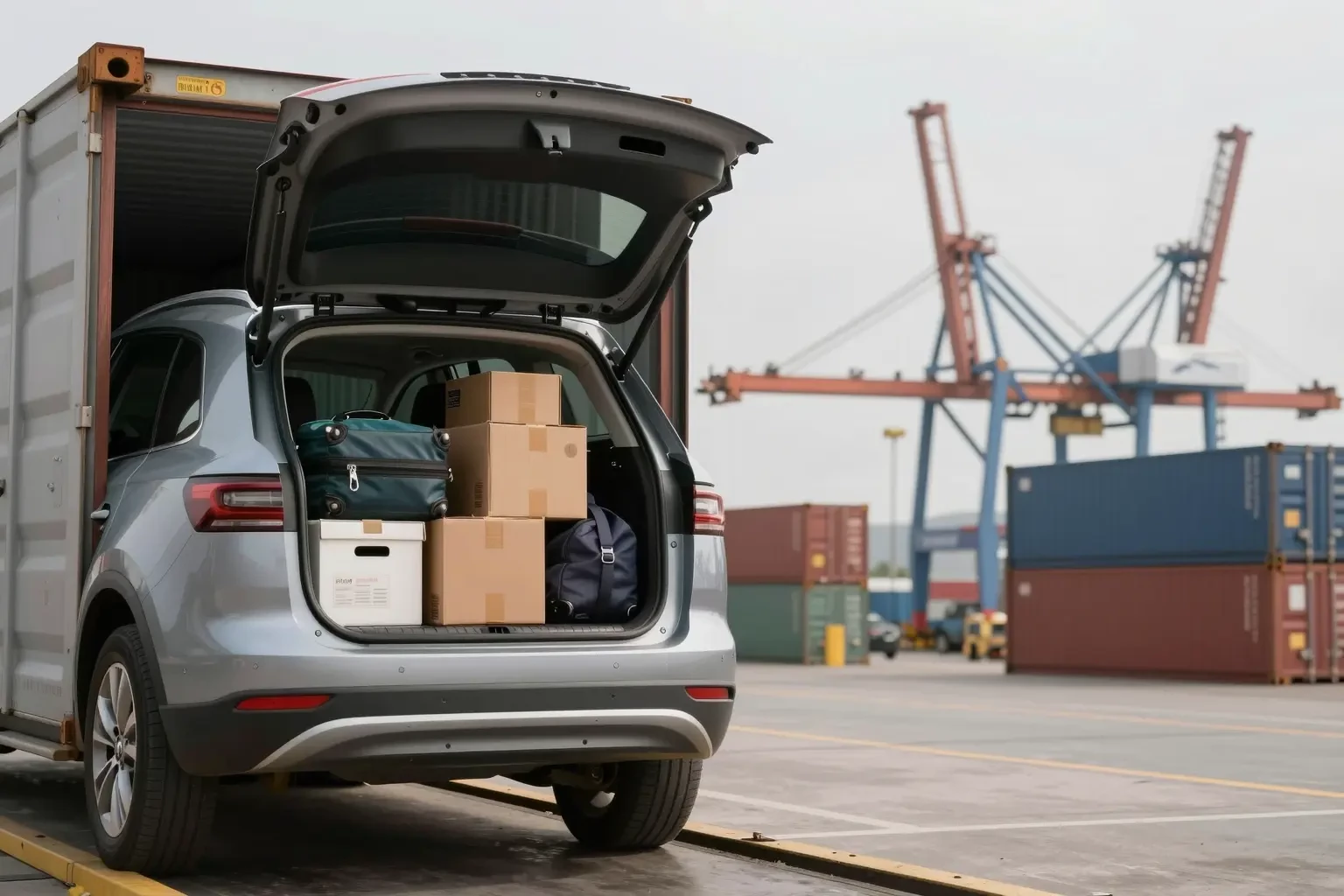
- Remove Personal Belongings: Carriers typically do not cover personal items left in the vehicle, so it’s advisable to remove all personal belongings.
Car transport safety and transport liability coverage are not just optional considerations; they are essential for protecting your valuable asset. Whether you’re using the service of a professional car carrier or exploring insurance options for shipping cars, make sure to do your due diligence to secure the best possible protection for your vehicle.