




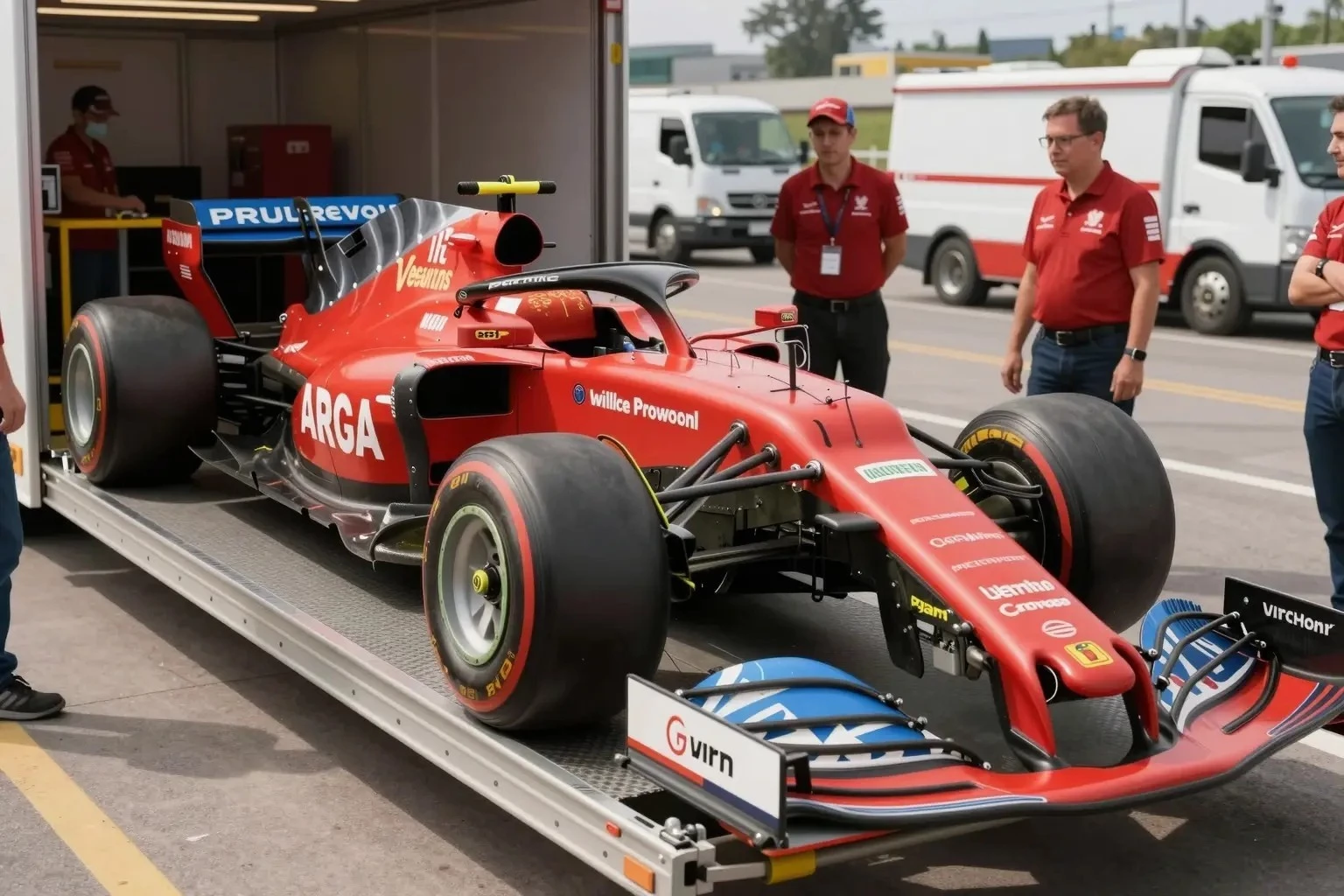
Formula 1, the pinnacle of motorsport, requires an extraordinary level of logistics and transportation prowess to ensure the seamless movement of race cars and equipment across the globe. With races held on multiple continents, the logistics behind shipping F1 cars is a complex dance of precision, regulation compliance, and team coordination.
Modes of Transportation
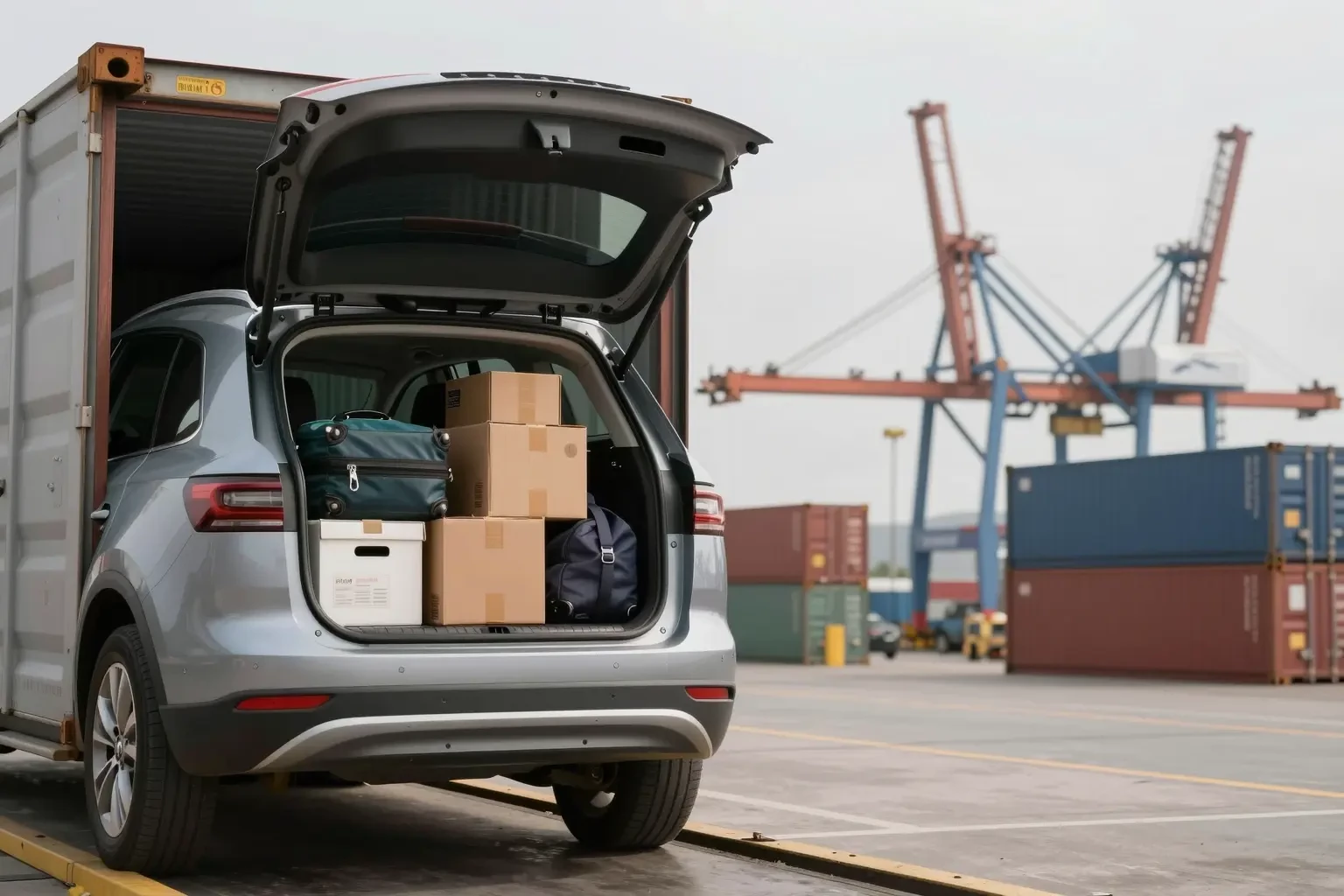
F1 teams utilize a combination of air freight and sea freight to transport their cars and equipment. Air freight is the preferred method for races with tight schedules, allowing for rapid movement between venues. Shipping containers are employed for sea freight when time allows, offering a more cost-efficient solution.
Packing and Dismantling
Before transportation, F1 cars undergo meticulous packing and dismantling. This involves removing fragile components like the carbon fiber bodywork, wings, and suspension parts. These elements are packed with protective packaging to prevent damage. Specialized crates are used to ensure each part is secured and labeled for easy identification and reassembly.
Specialized Equipment
Given the precision required in F1, teams use specialized equipment to handle the cars during transit. This includes lifting gear and custom dollies to move the delicate chassis. The importance of FIA regulations is paramount, as all equipment must comply with these standards to ensure safety and legality.
International Travel and Customs Clearance
With races in diverse locations, international travel is a considerable logistical hurdle. Each country has unique customs clearance requirements, necessitating expertise in freight forwarding to navigate these complexities. Teams often work closely with freight forwarders to ensure smooth transitions across borders, minimizing delays and costs.
Team Coordination
The successful transportation of F1 cars relies heavily on team coordination. Logisticians, engineers, and support staff must work in concert to manage the dismantling, packing, shipping, and reassembly processes. This coordination ensures that the cars and equipment arrive safely and are track-ready.
Time Management
Time management is crucial in F1 logistics. The racing calendar is tightly packed, leaving little room for error. Logistics teams meticulously plan each stage of the transportation process, accounting for potential delays and ensuring timely arrival at each venue.
Cost Efficiency
While speed is essential, cost efficiency cannot be overlooked. Sea freight is generally cheaper than air freight, but the choice between the two depends on the race schedule. Teams must balance the need for rapid delivery with budget constraints, often negotiating with logistics providers for the best rates.
Reassembly and Preparation
Once the cars reach their destination, the reassembly process begins. Engineers meticulously reassemble each component, adhering to the precise standards required for F1 performance. This stage is critical to ensure the cars are ready to race, with no room for error.
The logistics of shipping F1 cars is a sophisticated operation that involves multiple stakeholders, precise planning, and adherence to strict regulations. From dismantling and packing to navigating international customs and reassembly, every step is crucial to the success of the team on race day. The blend of cost efficiency, time management, and technical expertise ensures that F1 cars are always ready to compete at the highest level.