




Shipping a car internationally is a complex process that involves numerous steps and requirements. Whether you are relocating, selling a vehicle, or purchasing a car from overseas, understanding the intricacies of international car shipping is crucial. This article delves into the key aspects of vehicle transport, including customs clearance, freight forwarding, and import regulations.
Understanding the Basics of International Car Shipping
The process of shipping a car to another country begins with selecting a reliable shipping company. These companies offer various transportation methods, such as maritime shipping, air freight, container shipping, and roll-on/roll-off services. Each method has its own advantages, costs, and transit times.
Choosing the Right Shipping Method
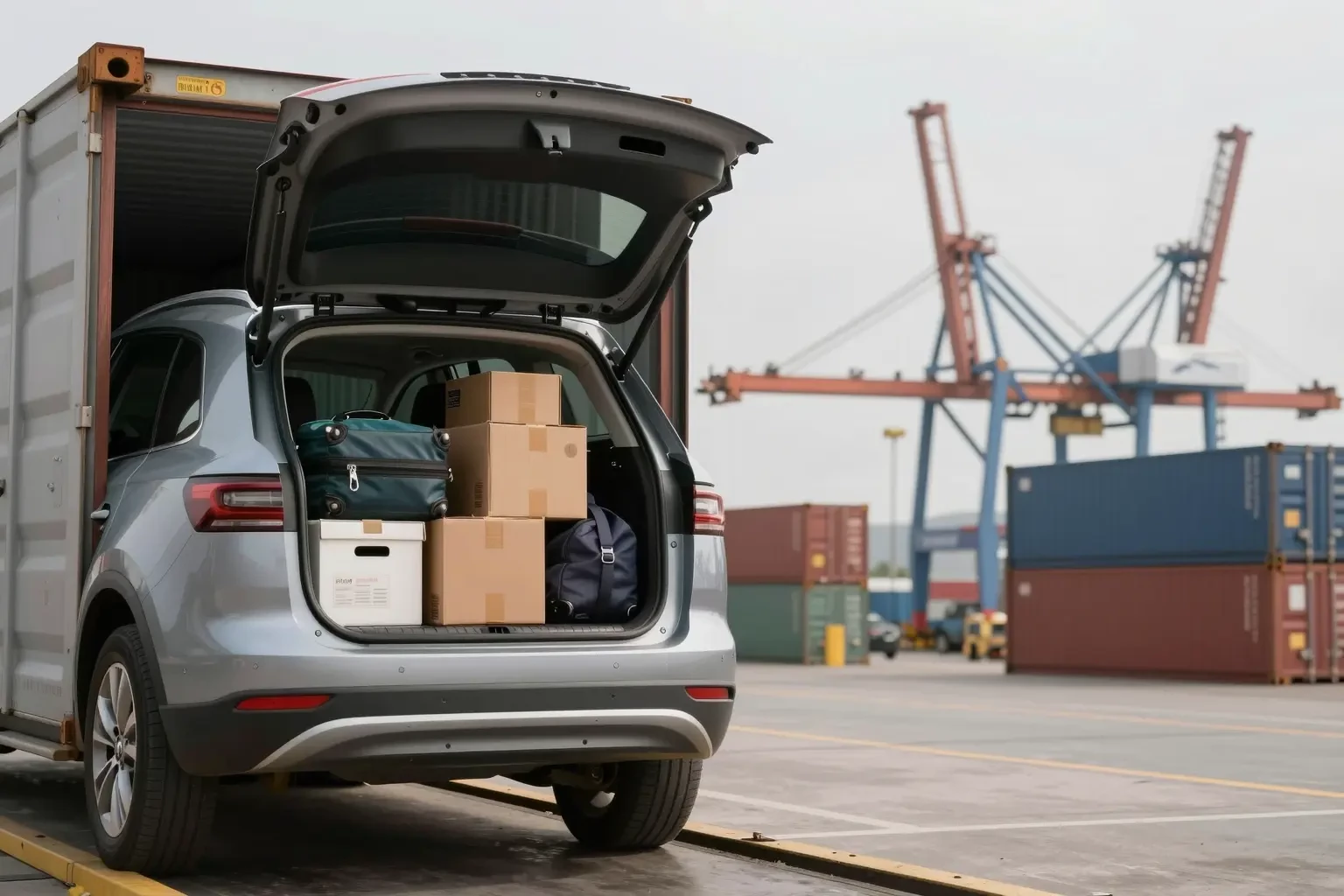
- Container Shipping: This method involves loading the vehicle into a shipping container, providing protection from the elements. It is suitable for high-value or classic cars.
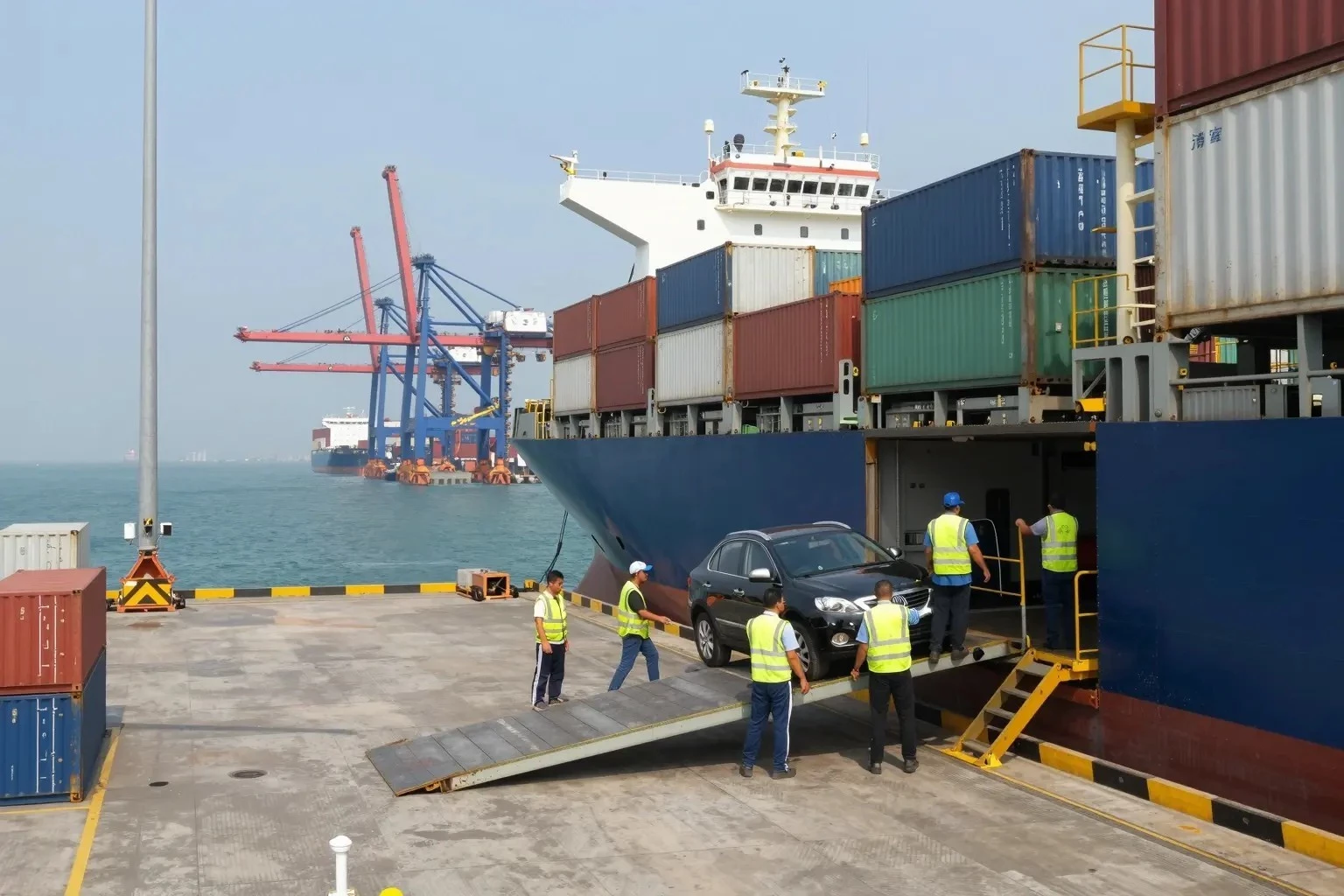
- Roll-on/Roll-off (RoRo): Vehicles are driven directly onto the shipping vessel, making it a cost-effective option for standard cars.
- Air Freight: The fastest but most expensive method, ideal for urgent deliveries or high-value vehicles.
Shipping Costs and Logistics
The shipping costs for transporting a car overseas can vary widely based on several factors, including the vehicle’s size, weight, destination, and the chosen shipping method. Working with a freight forwarding service can help streamline the shipping logistics and manage the associated costs.
Customs Clearance and Import Regulations
Every country has its own import regulations that must be adhered to when shipping a vehicle. Customs clearance is a critical step that involves preparing and submitting the necessary export documents. These documents typically include the vehicle’s title, bill of sale, and any applicable import permits.
Inspection Process and Port of Entry
Upon arrival at the port of entry in the destination country, the vehicle will undergo an inspection process to ensure compliance with local standards. This process can include verifying the vehicle’s identification number (VIN), checking for any modifications, and ensuring it meets environmental regulations.
Insurance Coverage
It’s essential to secure adequate insurance coverage for your vehicle during transit. This coverage protects against potential damages or losses that may occur during the shipping process. Consult with your shipping company to understand the available insurance options and choose the one that best suits your needs.
Factors Affecting Transit Time
The transit time for international car shipping can vary based on several factors, including the shipping method, distance, and any potential delays in customs. Typically, maritime shipping takes longer than air freight, but it is more economical for most situations.
Destination Country Considerations
When shipping a car to another country, it’s crucial to research and understand the specific requirements and restrictions of the destination country. Some countries may impose restrictions on certain vehicle types or models, while others may require modifications to comply with local laws.