

In the modern automotive industry, the ability of dealerships to ship cars has become an essential component of their business model. The process involves a complex network of transportation, logistics, and delivery services that ensure vehicles reach customers efficiently and safely. This article explores the mechanisms behind car dealership shipping, the role of auto transport companies, and the challenges faced in this sector.
The Role of Dealerships in Vehicle Delivery
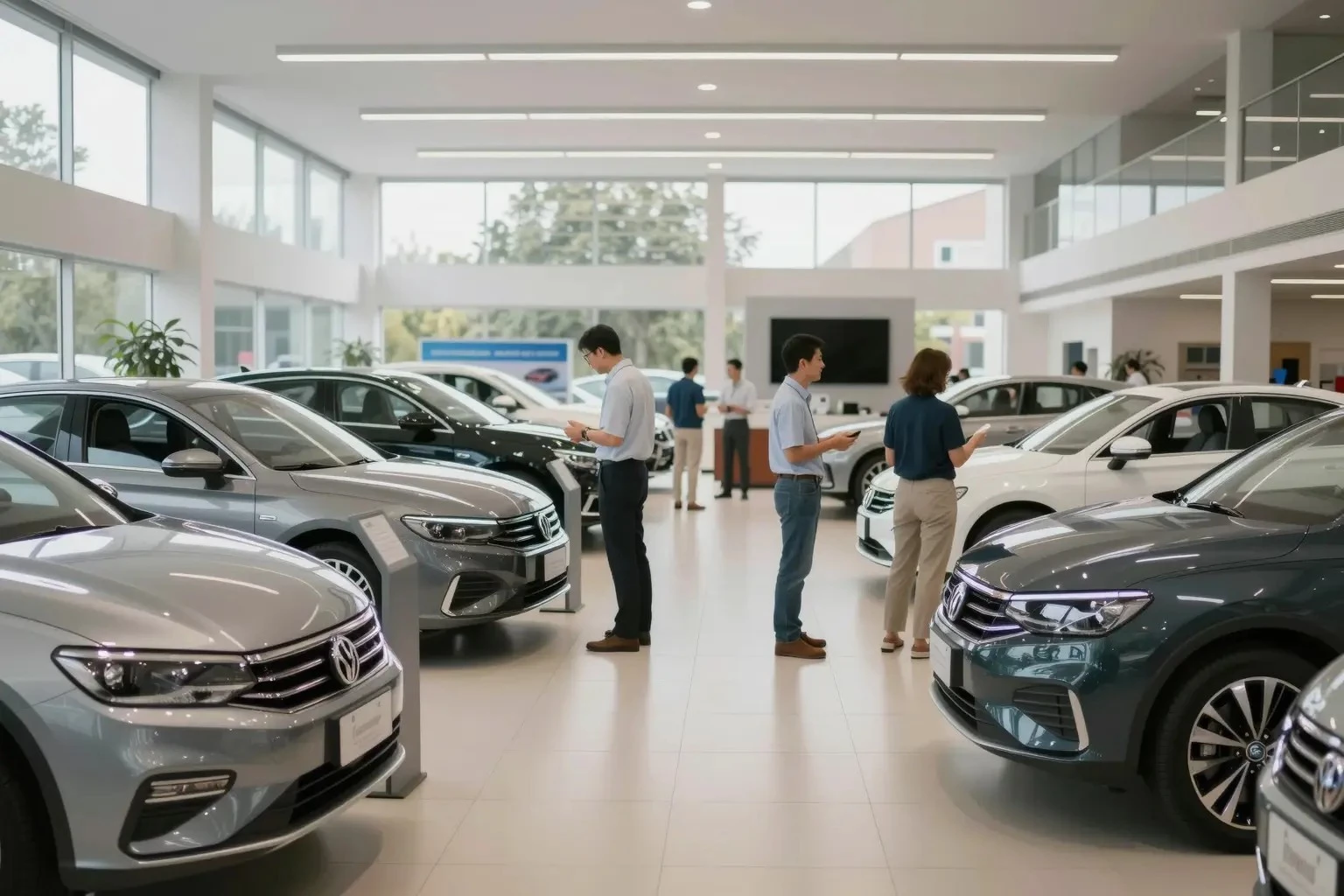
Car dealerships are not just points of sale; they are integral parts of the supply chain that involve vehicle logistics, inventory management, and customer interaction. One of the critical questions for many prospective buyers is whether dealerships can ship cars directly to them. The answer is yes, and it is a service that is becoming increasingly popular.
Transportation and Logistics
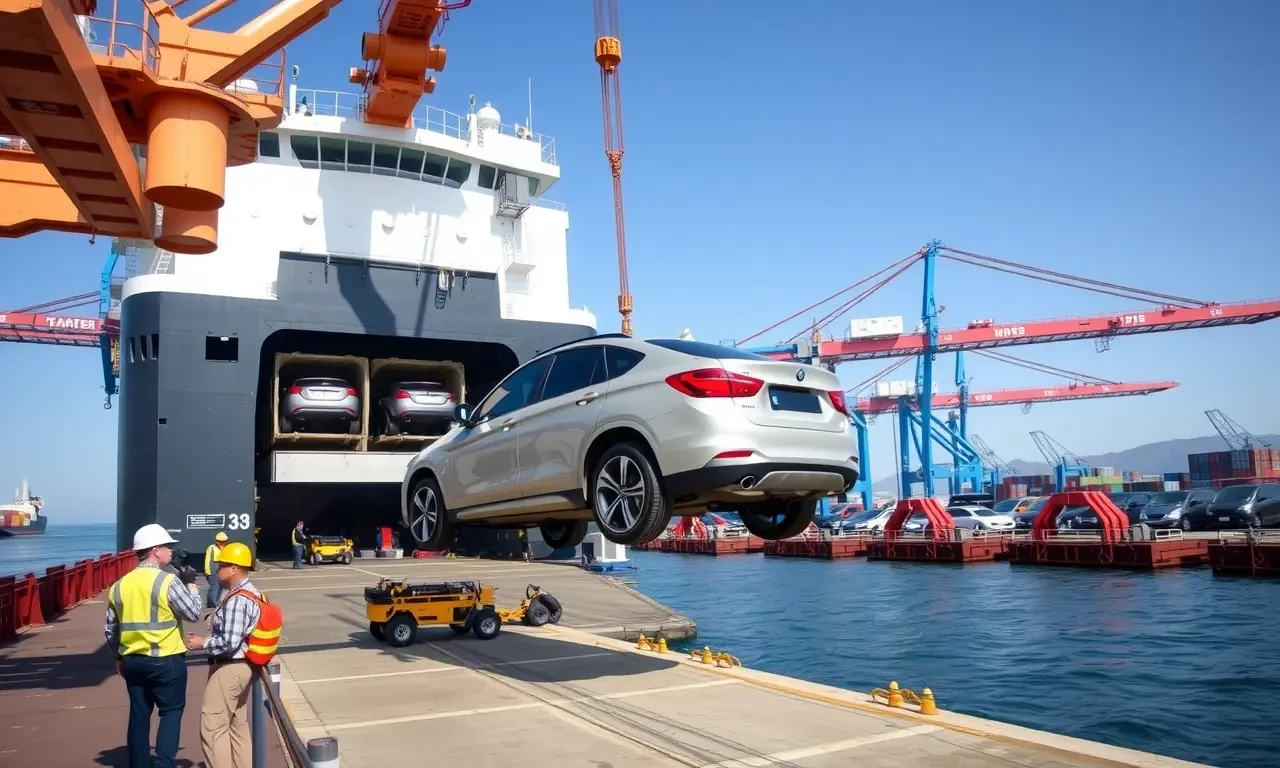
The logistics of car shipping is a complex process that requires coordination between various players. Dealerships often work with specialized transport companies to handle the physical movement of vehicles. These companies are experts in freight management and use advanced logistics to ensure that cars are transported efficiently across distances.
Shipping Methods
There are several methods by which dealerships can ship cars:
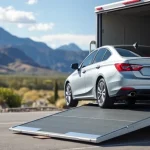
- Open Transport: This is the most common method, where vehicles are loaded onto an open trailer. It’s cost-effective but exposes the vehicles to weather elements.
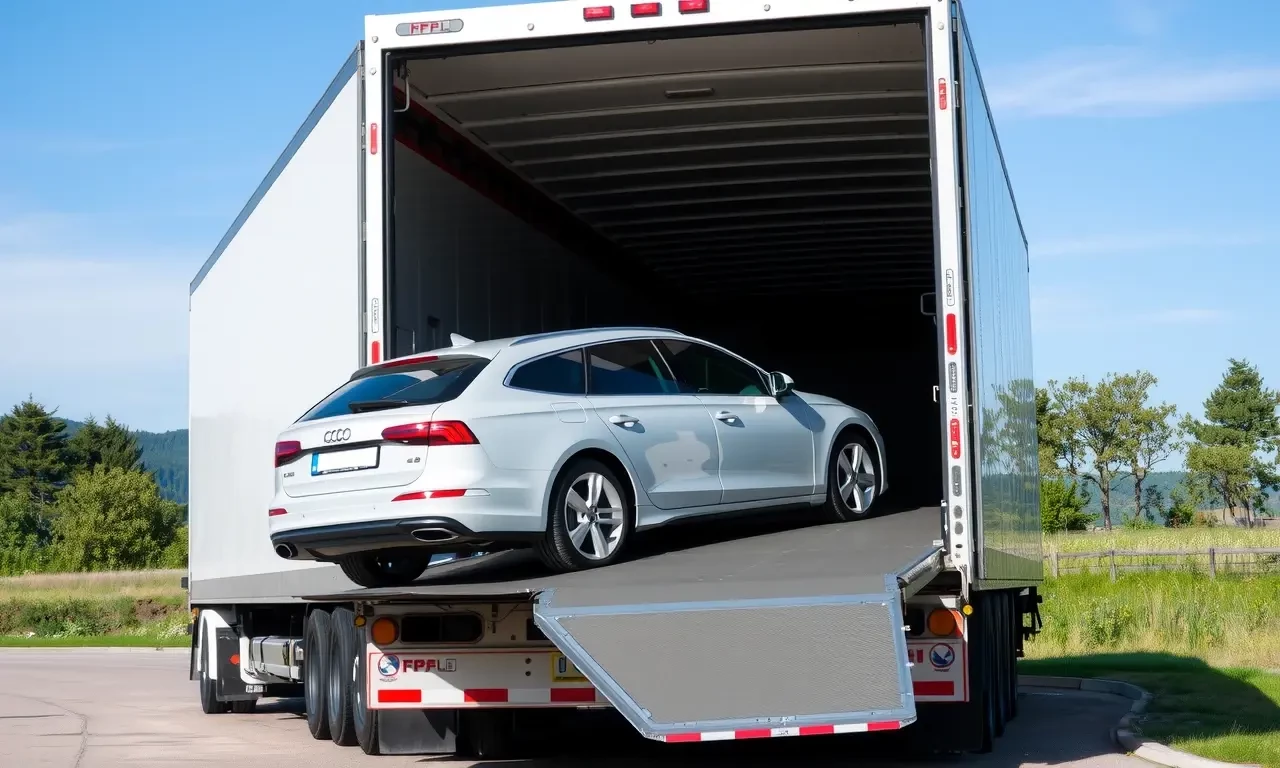
- Enclosed Transport: Provides protection from the elements and is preferred for high-value or luxury vehicles.
- Rail Transport: Used for long-distance transport where rail infrastructure is available. It is a cost-effective bulk shipping option.
The Role of Shipping Carriers in Auto Transport
Shipping carriers play a vital role in the distribution network of the automotive industry. They offer dedicated vehicle delivery solutions that cater to the needs of individual dealerships and the broader market.
Coordination and Efficiency
Efficiency in auto transport is achieved through meticulous coordination between dealerships and shipping carriers. This involves scheduling shipments, managing routes, and ensuring compliance with regulations. Effective communication is key to maintaining the integrity of the supply chain and meeting customer expectations.
Challenges in Vehicle Logistics
The vehicle logistics sector faces several challenges:
- Regulatory Compliance: Adhering to legal requirements across different regions can be complex.
- Cost Management: Balancing the cost of transport with competitive pricing is critical.
- Timely Delivery: Ensuring vehicles are delivered on time is essential for maintaining customer satisfaction.
Customer Service and Car Sales
In the realm of car sales, customer service is paramount. The ability to offer vehicle delivery enhances the dealership’s appeal to customers who prefer convenience. This service can be a decisive factor in a customer’s purchasing decision, especially in the digital age where online sales are on the rise.
Enhancing the Customer Experience
Providing an option for vehicle delivery allows dealerships to broaden their market reach. It caters to customers who may not be able to visit the dealership physically, thereby increasing sales potential. Additionally, offering transparent tracking and communication throughout the shipment process builds trust and enhances the customer service experience.
In conclusion, dealerships can indeed ship cars, and this capability is supported by a robust infrastructure of transportation and logistics. The involvement of transport companies, effective coordination with shipping carriers, and a focus on customer service are crucial to the successful operation of this service. As the automotive industry continues to evolve, the capacity for vehicle delivery will remain a significant aspect of car sales and distribution strategies.