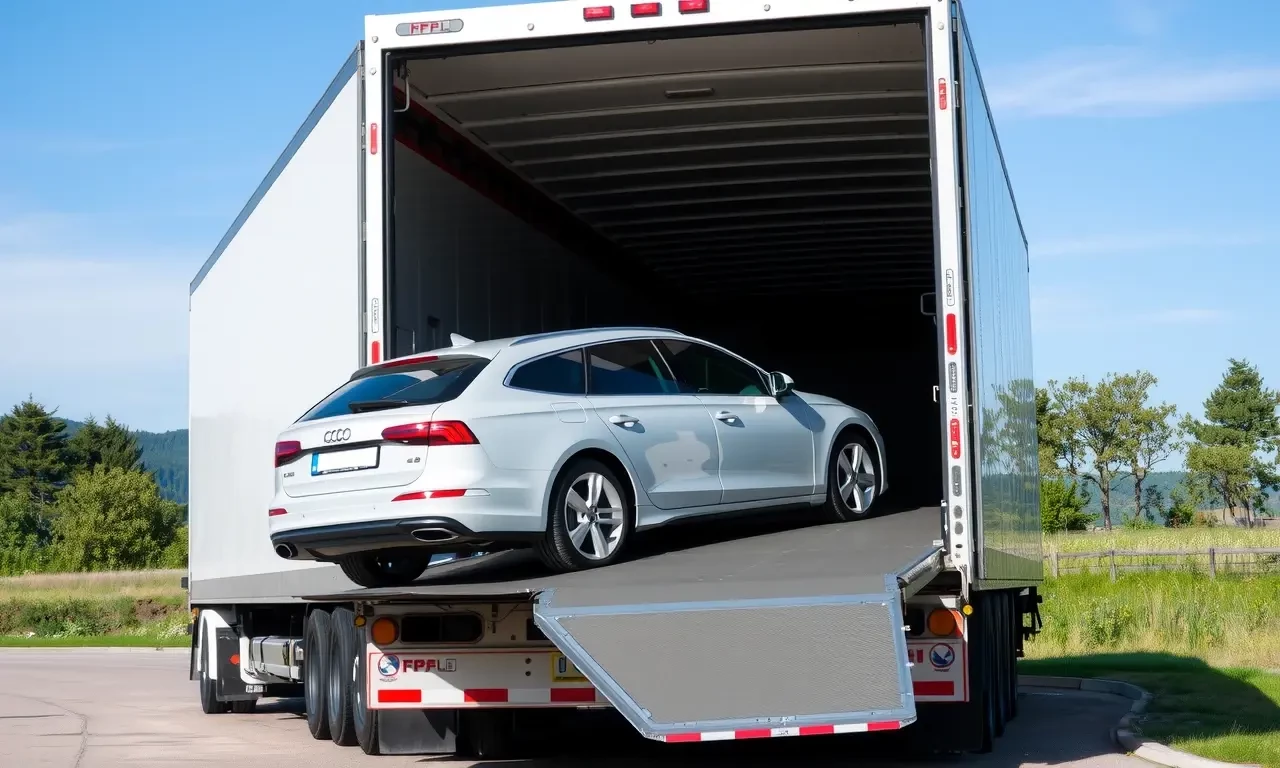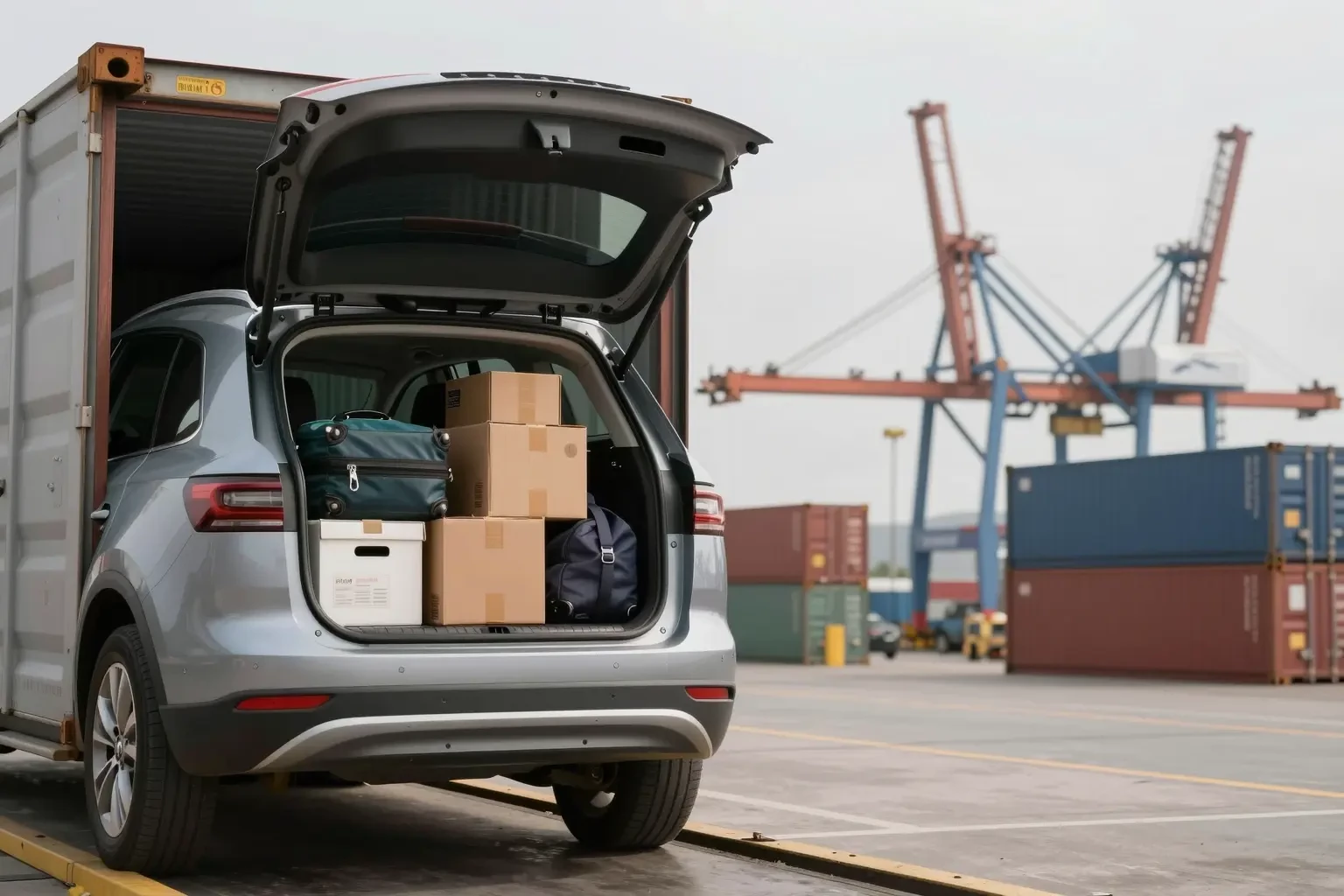






Shipping a vehicle can be a daunting task, whether you’re relocating across the country or buying a car from a distant location․ Understanding the ins and outs of vehicle transport can make the process seamless; This guide will walk you through the key aspects of auto transport services, ensuring your car arrives safely and on time․
Choosing the Right Car Shipping Company
The first step in vehicle transport is selecting a reputable car shipping company․ Look for companies with positive customer reviews, comprehensive services, and transparent pricing․ It’s crucial to compare different companies to find the best fit for your needs․
Types of Transport Carriers
- Open Transport: The most common and affordable option, where vehicles are shipped on an open carrier exposed to the elements․
- Enclosed Transport: Offers protection from weather and road debris, ideal for luxury or classic cars․
Understanding Shipping Costs
The shipping cost varies based on several factors, including the type of transport, vehicle size, and the distance between the pickup location and delivery location․ Enclosed transport is typically more expensive than open transport due to the added protection․
Factors Affecting Shipping Costs
- Vehicle Size: Larger vehicles cost more to ship due to increased space and weight․
- Shipping Timeline: Expedited delivery increases costs, while flexible timelines can save you money․
- Pickup and Delivery Locations: Remote areas may incur higher costs compared to major cities․
Booking Process
The booking process for car shipping involves several steps:
- Request quotes from multiple auto transport services․
- Evaluate the quotes and service offerings․
- Select a company and schedule your transport․
- Provide necessary details, such as vehicle information and preferred delivery time․
Preparing Your Vehicle for Shipping
Before handing over your car, it’s essential to prepare it for transport:
- Clean your vehicle and conduct a vehicle condition report to document any existing damage․
- Remove personal items and secure any loose parts․
- Ensure the car is operational, with a quarter tank of fuel․
Shipping Insurance
Insurance is a critical component of vehicle transport․ Most car shipping companies include basic coverage, but you should verify the details․ Consider additional shipping insurance for extra protection, especially for high-value vehicles․
Domestic vs․ International Car Shipping
Domestic car shipping involves transporting vehicles within the same country, typically using either door-to-door service or terminal-to-terminal service․ International car shipping requires additional steps, such as customs clearance and adherence to international regulations․
Door-to-Door vs․ Terminal-to-Terminal Service
- Door-to-Door Service: Offers convenience by picking up and delivering the car at specific addresses․
- Terminal-to-Terminal Service: May be more cost-effective, requiring the vehicle to be dropped off and picked up at designated terminals․
Delivery and Final Steps
Upon delivery, inspect your vehicle for any new damage․ Compare the car’s condition against the vehicle condition report completed before shipping․ If there are any discrepancies, document them immediately and contact the shipping company․
Shipping your car doesn’t have to be a stressful experience․ By choosing the right car shipping company, understanding the shipping cost structure, and preparing your vehicle properly, you can ensure a smooth transport process․ Always consider the type of transport carrier, insurance options, and the shipping timeline to align with your needs․
Whether you’re undertaking domestic or international car shipping, following these guidelines will help you navigate the process effectively, providing peace of mind as your vehicle reaches its new destination․