





Whether you’re relocating for a job, purchasing a vehicle from a distant seller, or simply planning a long-distance move, auto transport services can provide a convenient solution for vehicle shipping․ This comprehensive guide will walk you through the process of getting your car delivered across the country, ensuring a smooth and hassle-free experience․
Choosing the Right Shipping Company
Selecting a reputable shipping company is crucial for a successful transport experience․ Consider companies that offer a range of transport services and have positive customer reviews․ Look for features like carrier options, including enclosed transport and open transport, to suit your specific needs․
Carrier Options: Enclosed vs․ Open Transport
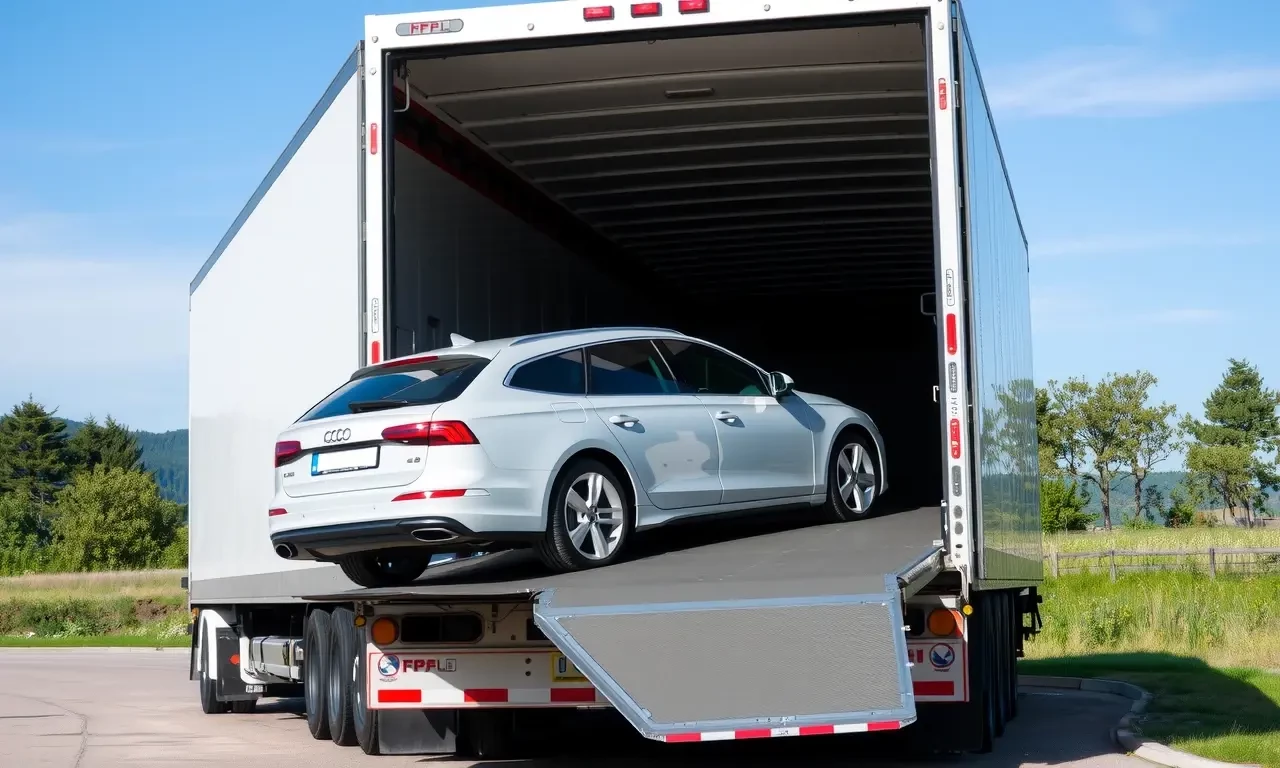
When choosing a transport service, you’ll need to decide between enclosed transport and open transport․ Enclosed transport provides additional protection for your vehicle, shielding it from the elements and road debris, making it ideal for high-value or classic cars․ However, it typically comes at a higher shipping cost․ Open transport is more affordable and popular for standard vehicles, although it exposes the car to external conditions․
Understanding Shipping Costs
The shipping cost for cross-country transport can vary based on several factors, including distance, vehicle size, transport type, and current fuel prices․ To get the best rates, request quotes from multiple companies and compare their offerings․ Be cautious of prices that seem too good to be true, as they may indicate subpar service․
Delivery Timeframe and Options
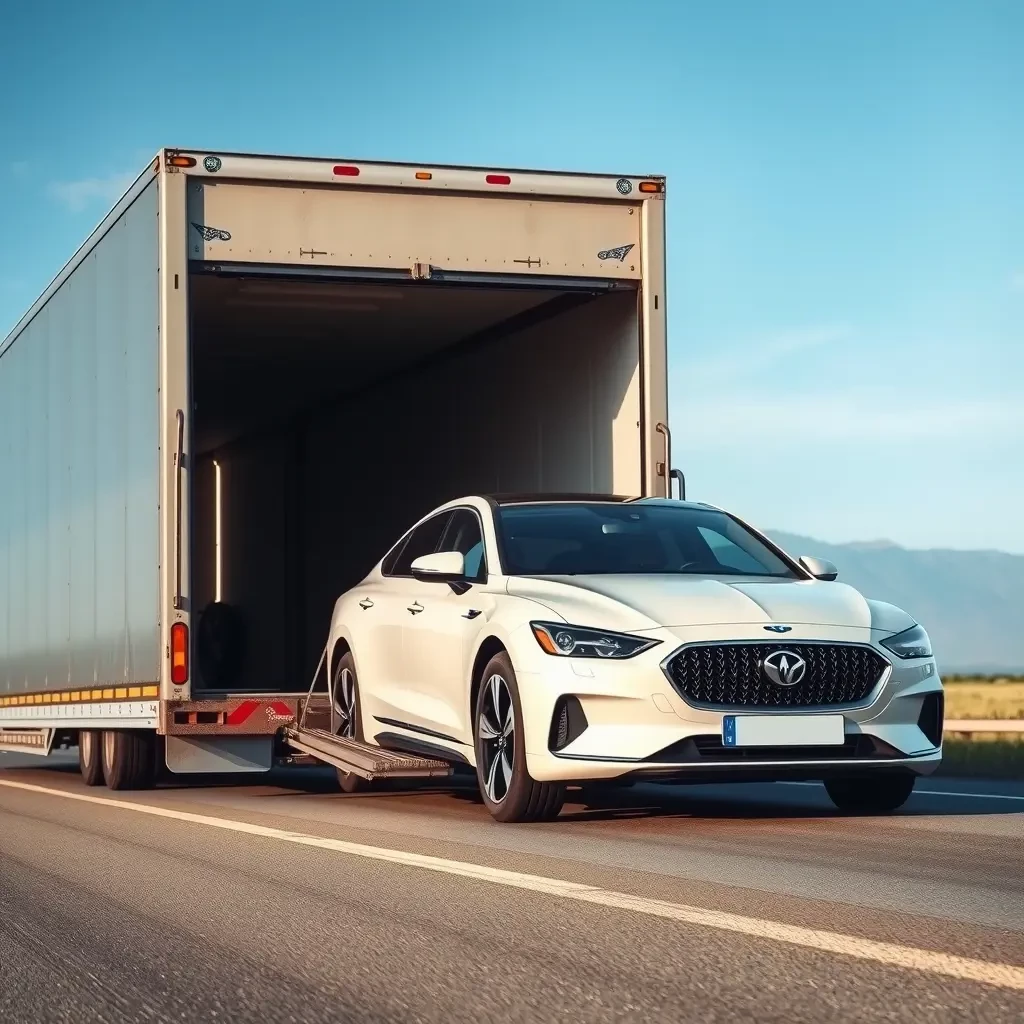
The delivery timeframe for your vehicle will depend on the distance and the shipping company’s schedule․ Generally, cross-country shipments can take anywhere from a few days to a couple of weeks․ Consider options like door-to-door service or terminal-to-terminal delivery based on your convenience and budget․ Door-to-door delivery provides the most convenience, as the carrier picks up and drops off your vehicle at your specified locations․
Insurance Coverage and Vehicle Inspection
Ensure that your vehicle is adequately protected during transit by reviewing the insurance coverage provided by the shipping company․ It’s also important to conduct a thorough vehicle inspection before and after the shipment to document any pre-existing damage․ This will be crucial if you need to file a claim․
Tracking System and Logistics Planning
Many companies offer a tracking system that allows you to monitor your vehicle’s journey in real time․ This feature provides peace of mind and helps with logistics planning, especially if your pickup and delivery locations have specific timing requirements․
Transport Regulations and Compliance
Ensure the company you choose complies with all transport regulations and holds the necessary licenses and permits․ This compliance guarantees the security and legality of the transport process, reducing the risk of potential issues during transit․
Preparing for a Long-Distance Move
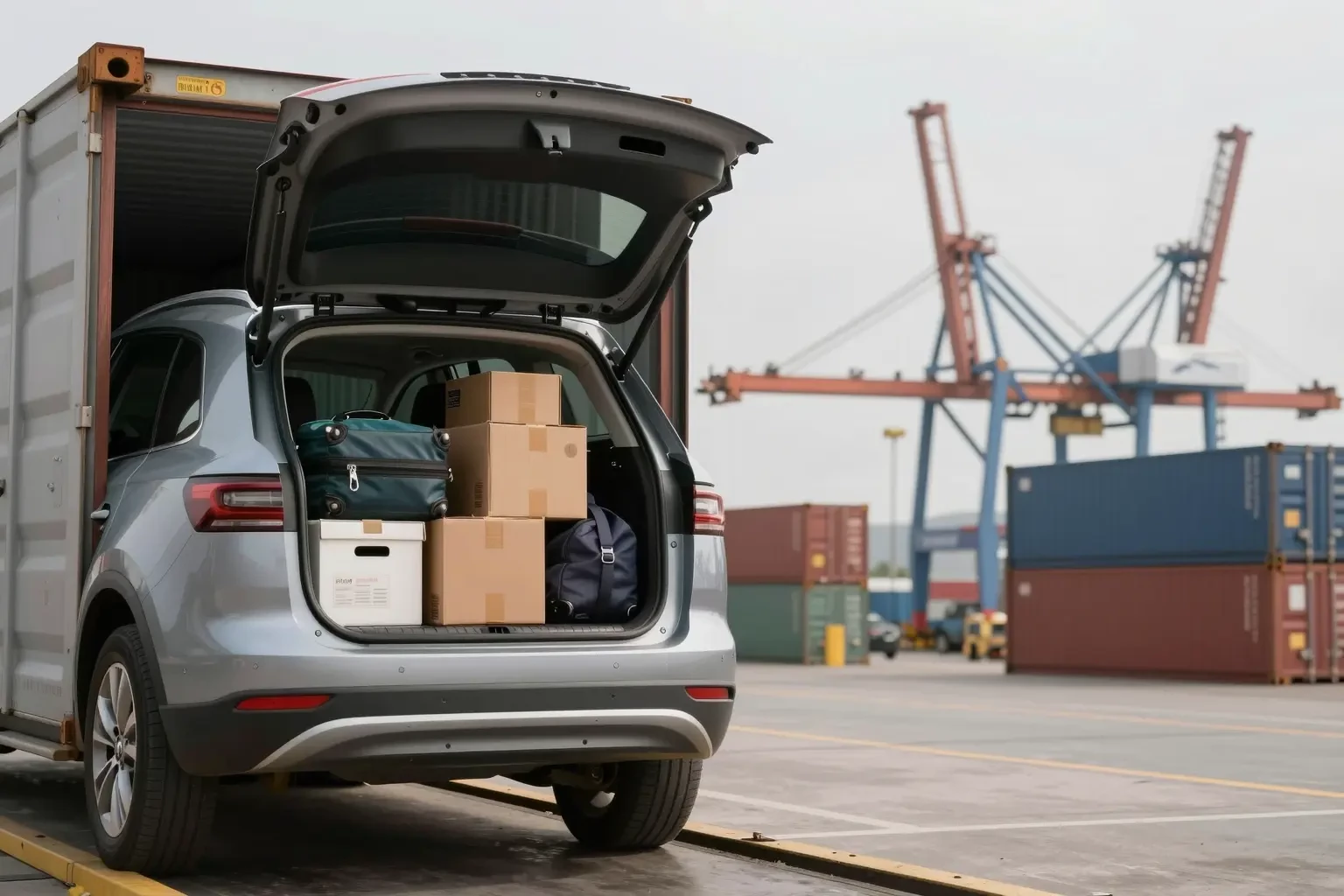
When preparing for a long-distance move, it’s crucial to plan meticulously․ Confirm your vehicle’s readiness for shipment by checking fluid levels, tire pressure, and battery condition․ Remove personal belongings to avoid complications, as most companies do not insure items left inside the vehicle․
Making the Final Arrangements
Once you’ve selected a shipping company and agreed on the terms, finalize the arrangements․ Confirm all details, including pickup and delivery dates, addresses, and contact information, to ensure a seamless process․
Shipping your car across the country doesn’t have to be a daunting task․ By understanding the options available and choosing a reliable shipping company, you can ensure your vehicle arrives safely and on time․ Consider all the factors mentioned, from carrier options to insurance coverage, to make an informed decision․ With proper planning and a little research, your car delivery experience can be stress-free and efficient․