




Shipping a car to another state can seem daunting, but with the right information and guidance, the process can be straightforward and hassle-free․ Whether you’re relocating, purchasing a vehicle from a different state, or simply need to move your car long-distance, understanding the nuances of car transport is essential․ This article will guide you through the key elements of vehicle shipping, how to choose an auto transport service, and what to expect during the process․
Understanding Car Transport Options
When it comes to interstate car delivery, there are several options available:
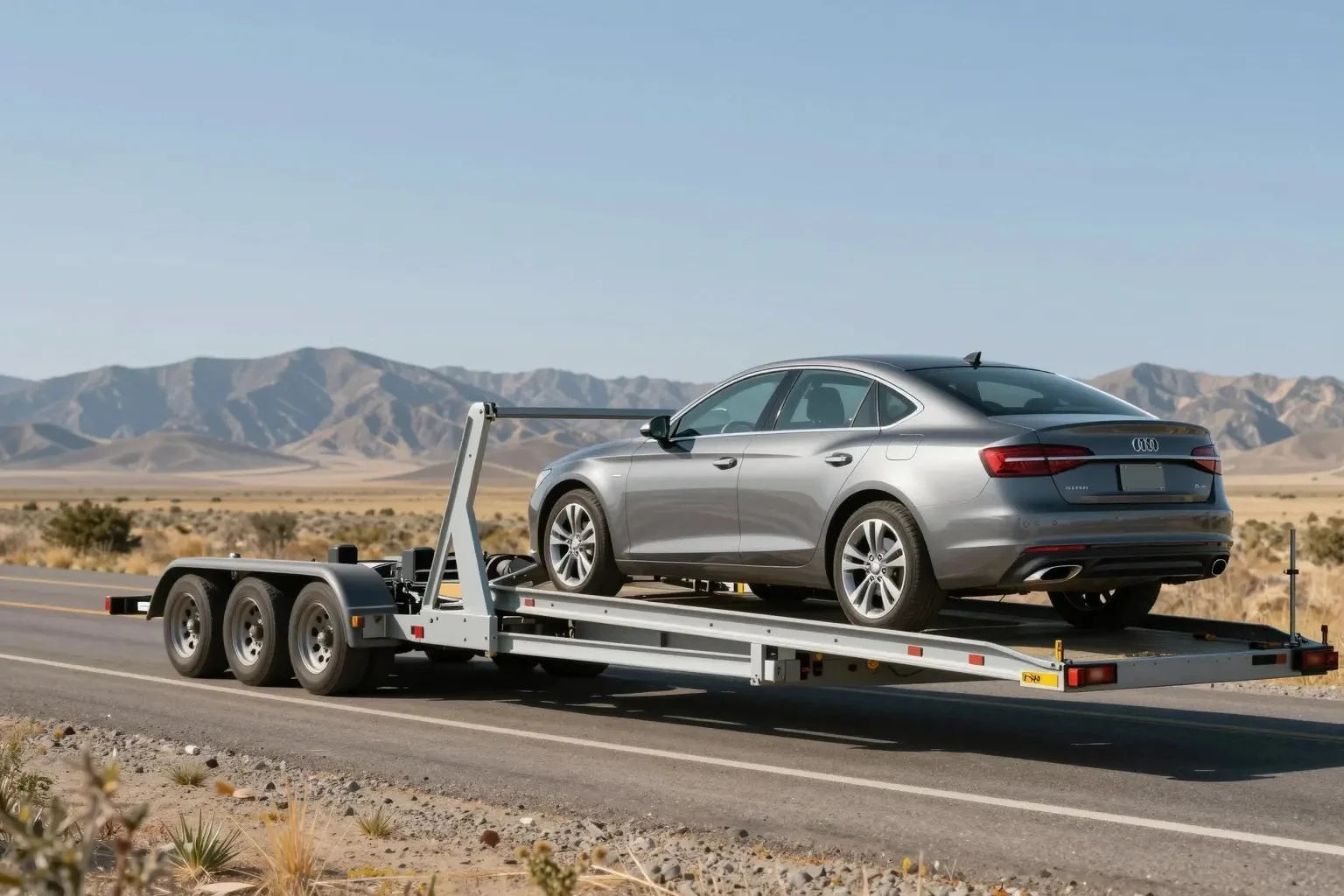
- Open Transport: This is the most common and cost-effective method․ Cars are loaded onto an open-air trailer․ While generally safe, your car will be exposed to the elements․
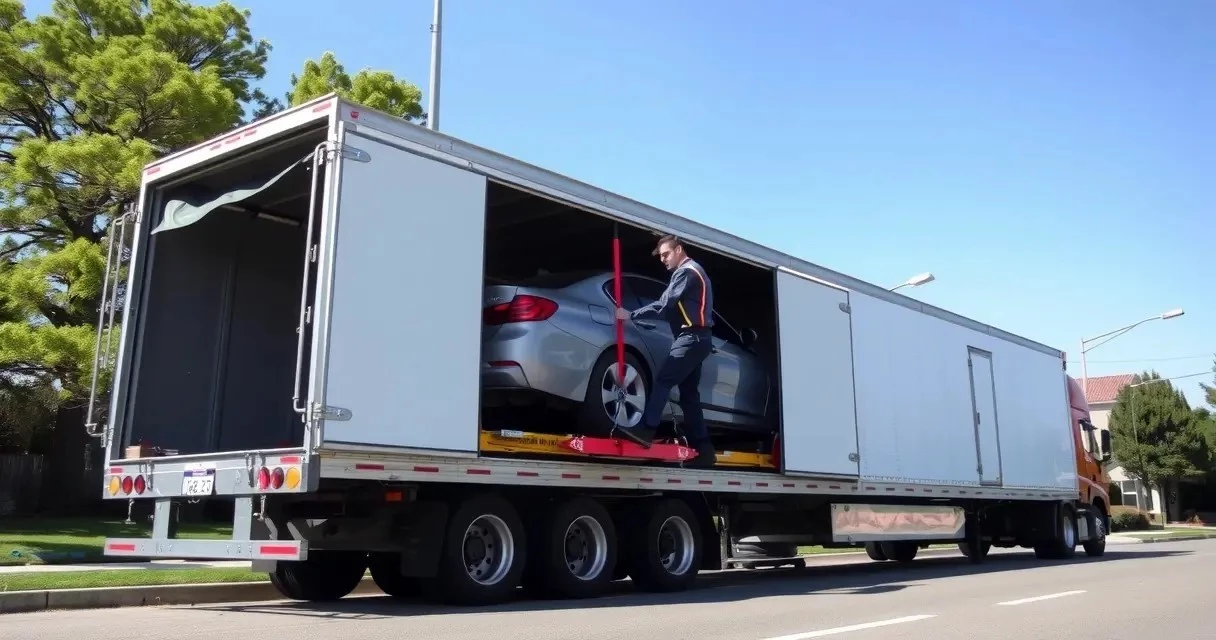
- Enclosed Transport: Offers protection from weather and road debris by transporting your vehicle in a closed trailer․ This option is ideal for luxury or classic cars but is more expensive․
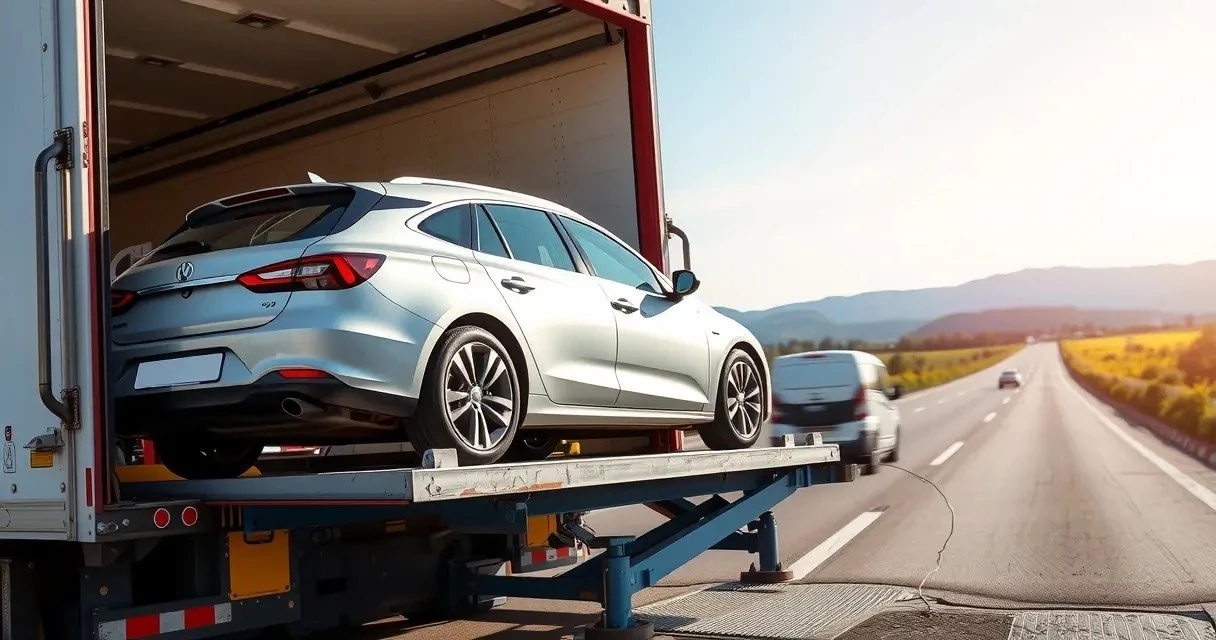
- Door-to-Door Delivery: The car is picked up and delivered directly to specified locations, offering convenience and saving time․
- Terminal-to-Terminal Transport: The car is dropped off and picked up at a designated terminal, often reducing the cost but requiring additional travel․
Choosing a Car Shipping Company
Finding a reputable car shipping company is crucial for a successful cross-state car shipment․ Here are steps to help you select the right transport carrier:
- Research and Compare: Look for companies with positive reviews, proper licensing, and insurance․ Compare quotes from multiple providers to ensure competitive pricing․
- Verify Credentials: Ensure the company is registered with the Department of Transportation and has an MC number․
- Check Insurance Coverage: Understand what shipping insurance covers and consider purchasing additional coverage if necessary․
- Read Reviews: Customer testimonials and ratings can provide insight into a company’s reliability and service quality․
Preparing for Vehicle Pickup and Delivery
Preparing your car for vehicle pickup is a critical step in the process․ Follow these tips to ensure a smooth experience:
- Clean Your Vehicle: A clean car makes it easier to document its condition before transport․
- Inspect and Document: Take photos and note any existing damage․ This documentation is crucial if you need to file an insurance claim later․
- Remove Personal Items: Most car hauler companies do not allow personal items in the vehicle during transport․
- Check for Leaks: Ensure there are no fluid leaks that could worsen during transport․
- Disable Alarms: Prevent unnecessary disruptions during transport by disabling car alarms․
Factors Affecting Car Shipping Cost
The car shipping cost can vary based on several factors:
- Distance: Longer distances generally increase costs․
- Vehicle Size: Larger vehicles may incur higher fees due to space and weight considerations․
- Transport Type: Enclosed transport is more expensive than open transport․
- Delivery Timeframe: Expedited services cost more but ensure quicker delivery․
- Seasonality: Demand fluctuations during peak seasons can affect pricing․
Understanding Transport Logistics
Transporting your vehicle involves complex transport logistics that require coordination between various parties․ Here’s a breakdown of the typical process:
- Booking: After selecting a service and agreeing on a price, you’ll book your transport slot․
- Vehicle Pickup: The car is collected at your specified location or terminal․
- In Transit: The car is transported to its destination․ You can often track its progress via the shipping company’s platform․
- Delivery: Upon reaching the destination, the car is delivered to your specified location or terminal;
The Role of Car Haulers
Car haulers are specialized trucks designed to transport vehicles․ They play a critical role in moving vehicles across states․ Here’s what you should know:
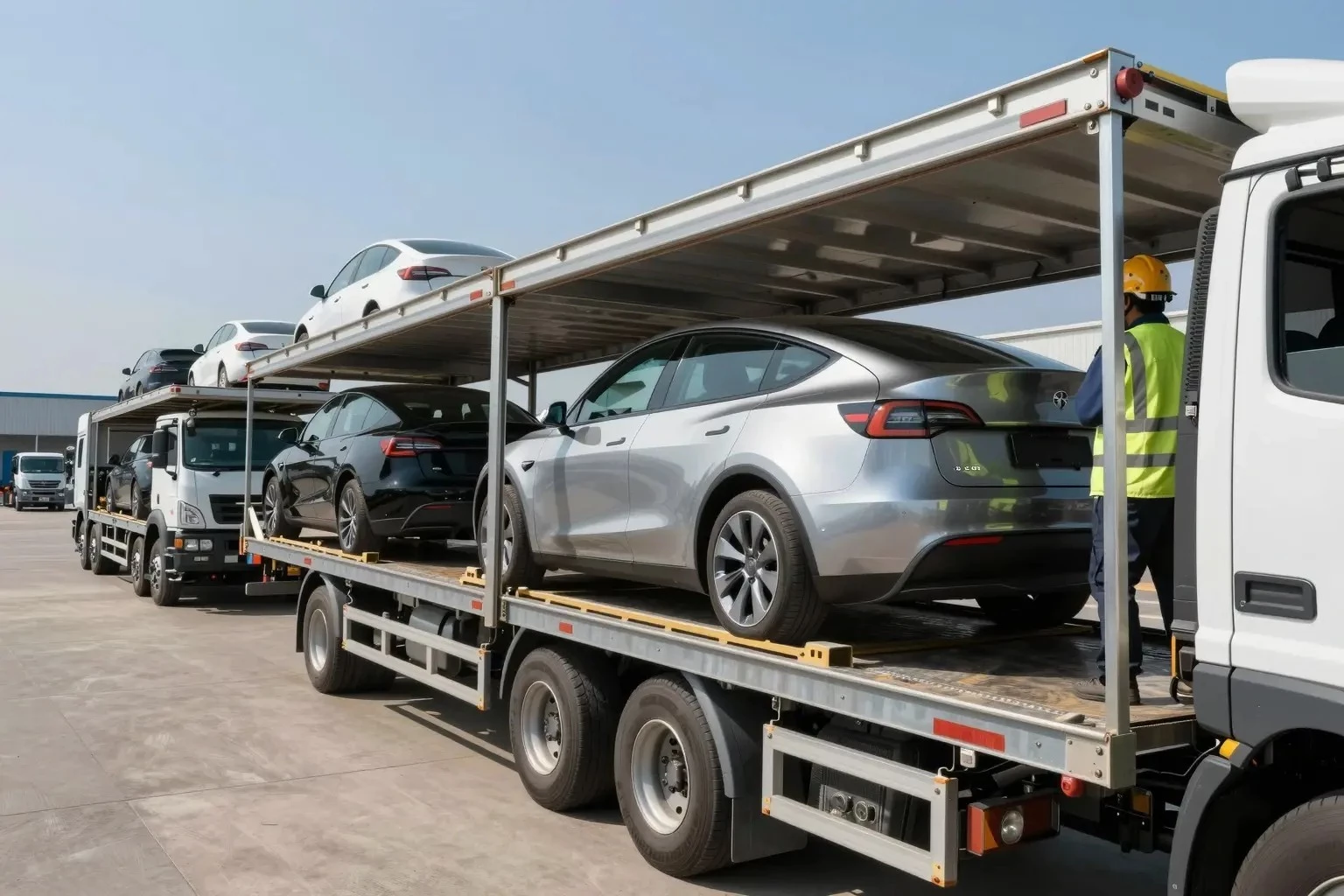
- Types of Haulers: Depending on the service, your car may be transported on a single-level or multi-level hauler․
- Capacity: Multi-level haulers can carry more vehicles, reducing per-vehicle costs․
- Safety: Professional haulers ensure your vehicle is securely fastened and protected during transit․
Ensuring a Successful State-to-State Transport
To ensure a smooth state-to-state transport experience, consider the following tips:
- Plan Ahead: Allow ample time for research, booking, and preparation․
- Communicate Clearly: Provide accurate information regarding pickup and delivery locations and special requirements․
- Stay Informed: Keep track of your car’s journey and maintain contact with the shipping company for updates․
Shipping a car to another state doesn’t have to be stressful․ By understanding the options, choosing a reliable service, and preparing adequately, you can ensure a successful vehicle relocation․ Whether opting for open transport or enclosed transport, the right planning and execution will make your interstate car delivery experience efficient and worry-free․
Remember, the key to a successful car shipment is thorough research and preparation․ Keep these tips in mind, and you’ll be well-equipped to handle your cross-state car shipment with confidence․