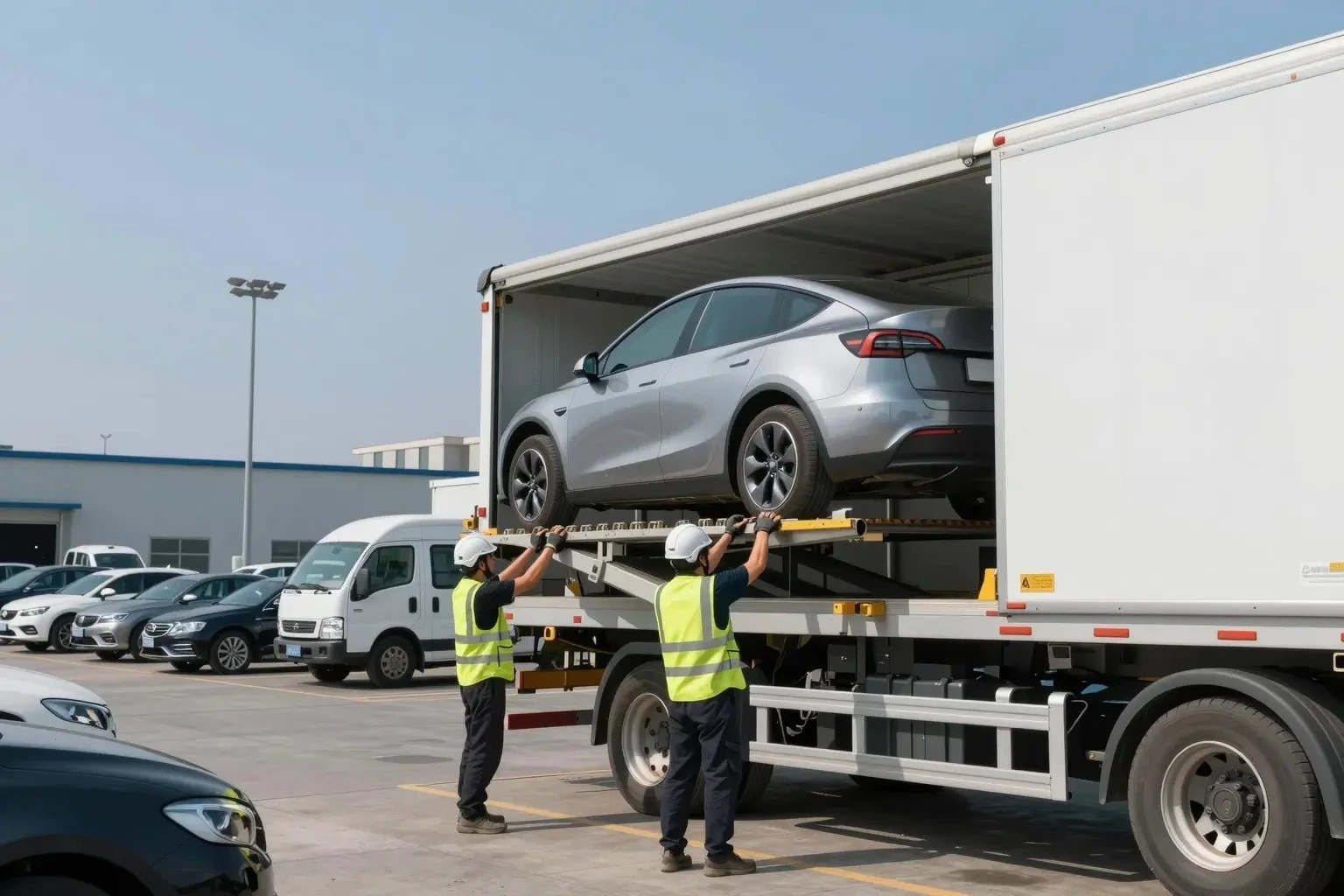





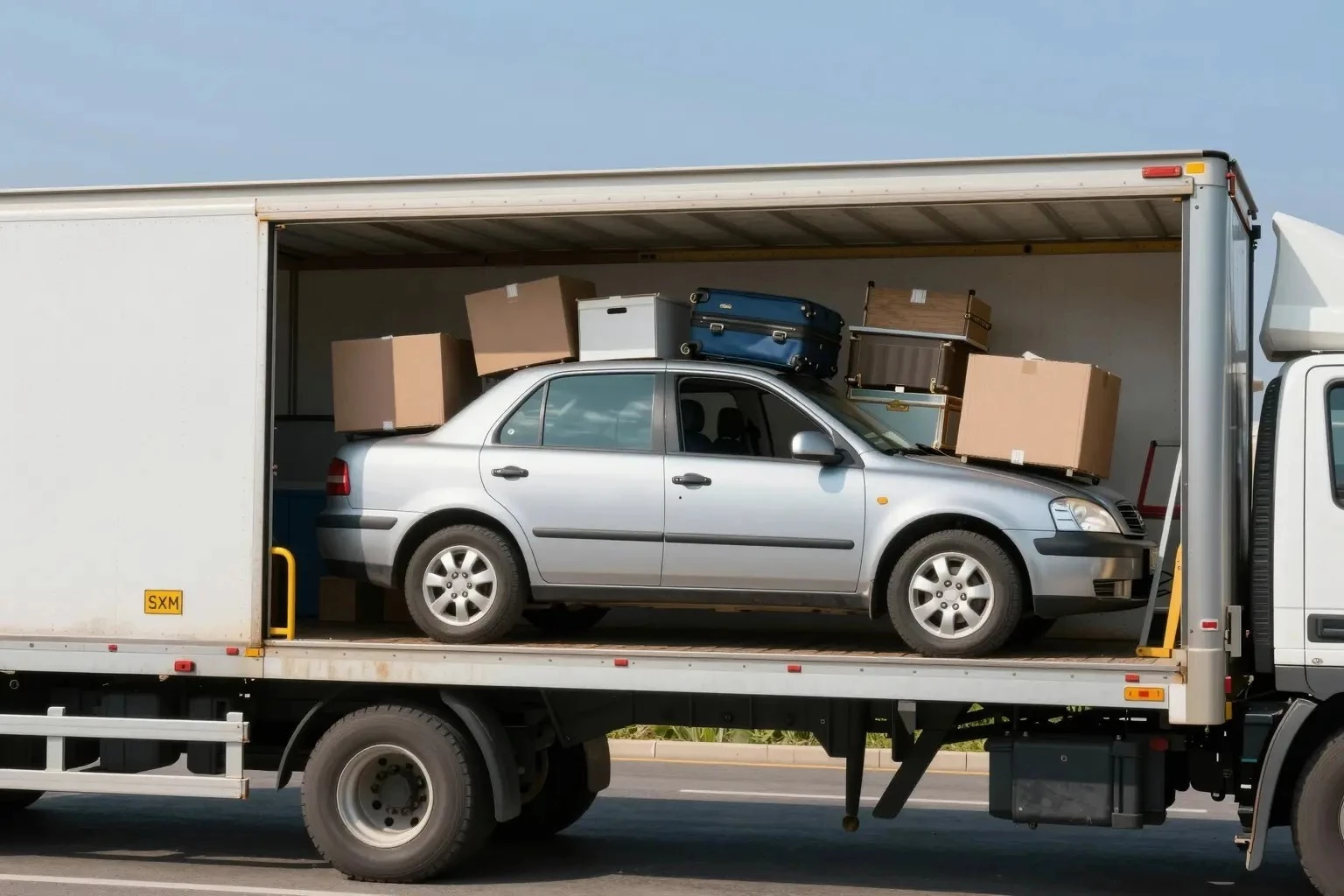
When considering car shipping, many people often wonder if they can include personal belongings within their vehicle during transport. This question is not uncommon, and understanding the intricacies involved can help you make an informed decision when dealing with transport services.
The Basics of Vehicle Transport
Vehicle transport, whether across states or internationally, involves the use of a moving company or auto transport service. These services use specialized carriers to move vehicles safely and efficiently. The process, however, isn’t just about loading a car onto a truck; it involves adherence to specific shipping regulations and transportation safety protocols.
Types of Car Carriers
- Open Carrier: The most common method of car shipping. This is a cost-effective solution but offers less protection from the elements compared to enclosed carriers.
- Enclosed Carrier: Provides more protection and is often used for luxury, antique, or high-value vehicles. It is more expensive but ensures better security for the vehicle.
Shipping Regulations and Personal Belongings
One of the key considerations when shipping a car is whether you can include personal items inside the vehicle. The answer is not straightforward and depends on several factors, including the policies of the moving company and legal regulations.
Regulations and Limitations
- Most auto transport companies allow a minimal amount of personal belongings in the car, often restricting it to a specific weight limit (e.g., 100-150 lbs).
- Federal regulations, such as those from the Department of Transportation, typically do not cover personal items, focusing solely on the vehicle itself.
- Items left in the car are often not covered by insurance coverage provided by the transport service.
It is crucial to discuss these aspects with your chosen auto transport provider to understand their specific policies on transporting personal belongings.
Packing Guidelines and Safety Measures
Should you decide to transport personal items within your car, adhering to specific packing guidelines is essential to ensure both the safety of your belongings and your vehicle.
Packing Tips
- Avoid placing items on the front seats or dashboard to prevent movement during transit.
- Secure items in the trunk or rear seats using straps or bungee cords.
- Do not ship valuable items or important documents with your vehicle.
Following these guidelines can help prevent damage to both the car and the items within during the transportation process.
Understanding Moving Costs and Insurance Coverage
The cost of vehicle transport can vary significantly based on several factors, including the type of carrier used, distance, and whether personal belongings are included.
Factors Affecting Moving Costs
- Distance: Longer distances typically increase the cost of shipping.
- Carrier Type: Enclosed carriers are more expensive than open carriers due to the additional protection they offer.
- Additional Items: Including personal belongings might result in additional charges.
Insurance coverage is another critical aspect to consider. While most transport services provide some level of coverage for the vehicle, personal items are often excluded. Therefore, it is advisable to confirm the extent of coverage with your service provider and inquire about additional insurance options if necessary.
Shipping a car with personal belongings inside is possible but requires careful planning and communication with your chosen auto transport service. By understanding shipping regulations, adhering to packing guidelines, and considering the implications on moving costs and insurance coverage, you can ensure a smooth and safe transport experience for both your vehicle and your belongings.
Ultimately, the key is to work closely with your transport provider, be clear about your needs, and understand the terms and conditions they offer. This approach will help mitigate risks and ensure your car and belongings arrive safely and securely at their destination.